

Even in Texas, where winter temperatures are milder than in northern states, pools need special care before the cooler months settle in. A well-planned closing routine will protect your investment, save on costly repairs, and ensure your pool is sparkling when spring arrives.
The first step is balancing the water chemistry. While swimmers may not be diving in during December, the water can still become a breeding ground for algae and bacteria if ignored. Adjusting pH, alkalinity, and calcium hardness now helps preserve the pool’s interior finish and equipment. Many experts recommend shocking the water and adding an algaecide before covering.
Next, give your pool a deep clean. Skim leaves, brush the walls, and vacuum debris. In Texas, falling oak and pecan leaves can wreak havoc on filters and create staining if left too long. A spotless pool now means less scrubbing later.
Equipment care is equally important. Inspect the pump, filter, and heater, then backwash and empty all baskets. Even though most of the state rarely experiences deep freezes, sudden cold snaps can still cause damage. Draining water from pumps, filters, and lines prevents cracks or costly breakage. If you live in North Texas, where hard freezes are more likely, this step is essential.
After cleaning and maintenance, decide whether to keep your pool open year-round or cover it. Many Texans leave pools uncovered, enjoying the look of clear blue water all winter. However, installing a safety cover keeps out debris and can reduce maintenance time. Solid or mesh covers also provide peace of mind for families with children or pets.
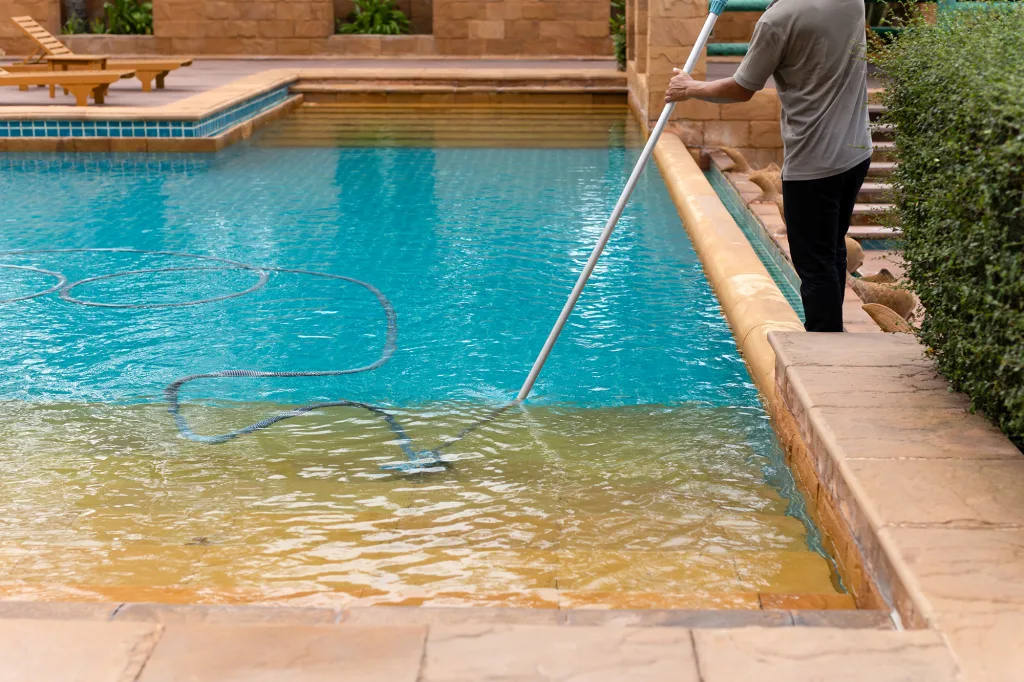
While some pool owners handle the process themselves, hiring a professional service often pays off. Certified pool technicians know how to winterize equipment properly and can spot small problems before they escalate. They’ll also test water balance with precision, ensuring your pool is protected until the next swimming season.
Finally, don’t neglect safety. Even in winter, unattended water can pose risks. If you’re not using a cover, check that fences and gates are secure. A little extra attention now will safeguard your pool and property through the off-season.
Why hire a pool professional?
Closing a pool might sound simple, but there’s more to it than tossing on a cover and walking away. A professional brings expertise that can save time and prevent headaches later. They’ll test the water with commercial-grade kits, making sure chemistry levels are precisely where they should be to avoid staining or equipment corrosion.
Technicians also know how to properly drain pumps, heaters, and plumbing lines. This is especially critical in regions like North Texas, where a hard freeze can strike unexpectedly. A small amount of trapped water can expand and crack pipes, leading to expensive repairs.
Additionally, pool professionals inspect equipment for signs of wear, catching leaks, frayed wires, or failing seals before they turn into bigger issues. Think of it as an annual check-up for your backyard retreat. The modest cost of a service visit often offsets the potential expenses of fixing neglected equipment come spring.