
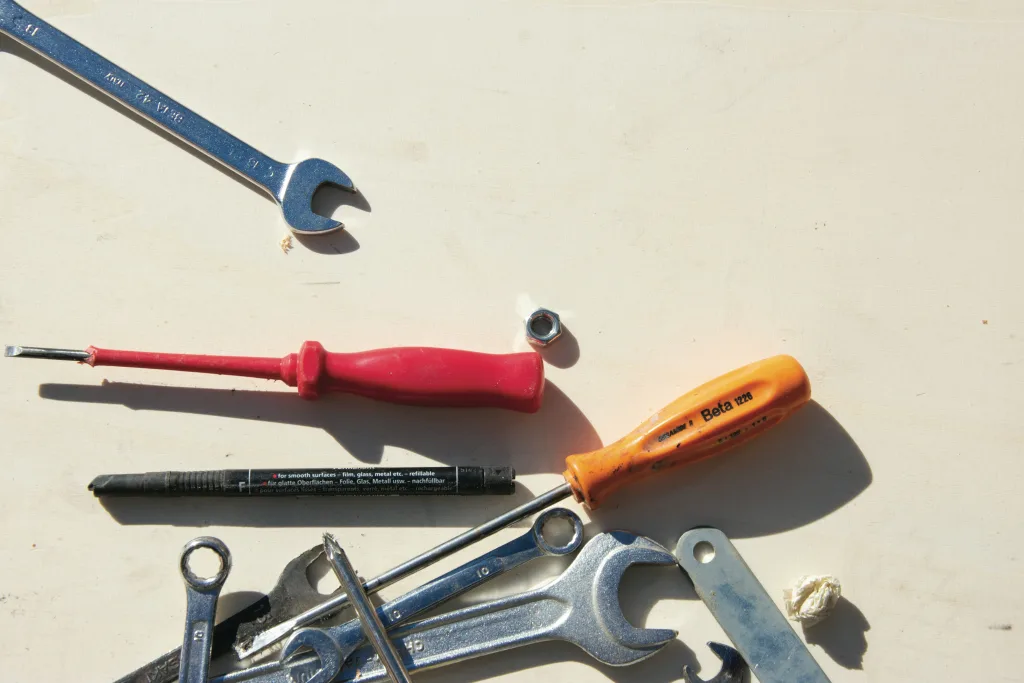
It’s easy to put off a minor repair. Maybe your time is limited, your budget is tight or the issue doesn’t seem serious enough to prioritize immediately. However, small problems can worsen over time, especially in states with extreme weather patterns. Deferred maintenance can compromise both your safety and the long-term value of your home.
What Is Deferred Maintenance and Why Does It Add Up Quickly
Deferred maintenance refers to necessary repairs or upkeep that are postponed rather than handled promptly. It usually starts with small, manageable issues that seem harmless enough to ignore because they don’t disrupt your daily life right away. The challenge is that homes are interconnected systems. When one part begins to wear down, it can affect everything around it.
For example, a small leak in your water heater can lead to mold, structural damage and foundation cracks. Eventually, what should be a simple repair can escalate into system failures that affect your safety and comfort.
Deferred maintenance is also the fastest way to watch your house depreciate. The Houston Association of Realtors has found that well-maintained homes consistently sell for higher prices than comparable properties with visible signs of deferred maintenance. Even when a home looks updated on the surface, underlying issues can surface during inspections and create complications such as:
- Repair negotiations that delay or derail sales
- Increased pressure on pricing and concessions
- Loss of tenant or buyer confidence late in the transaction
Despite these risks, delays are common. Data shows that 71% of homeowners admit to postponing planned projects — including regular maintenance and appliance repair — due to rising costs and financial pressure. Postponing maintenance will ultimately multiply costs.
High-Impact Maintenance Tasks Homeowners Often Delay
Certain areas of the home tend to be overlooked more than others, usually because they’re out of sight or still functioning well enough. These are also the areas where delays can become the most expensive.
1. Roof Inspections and Repairs
Although the roof protects your home from everything that Texas weather throws at it, many property owners disregard roof maintenance until the problem gets too big. A missing shingle or minor flashing issue may not seem urgent without visible leaks. However, once water finds its way in, damage can spread quickly through insulation, ceilings and structural components.
This risk is amplified in Texas, which recorded the highest numbers of tornadoes in the U.S. between 2021 and 2025. Storm exposure increases the likelihood of hidden damage that worsens with time. Additionally, neglect can lead to denied insurance claims, leaving you to cover the full cost of repairs.
2. HVAC System Servicing
The HVAC systems carry a heavy load for much of the year. Delaying maintenance reduces efficiency and increases energy consumption. Air conditioning already accounts for 19% of energy use in U.S. homes, so even small inefficiencies can significantly increase utility bills.
If you push neglected systems beyond their limits, they will eventually break down to the point where repairs may no longer be enough. The average price of a new HVAC system increased from around $6,000 in 2020 to $12,000 in 2025. Routine servicing by a professional is more manageable than facing an unexpected full system replacement.
3. Plumbing and Water Systems
Plumbing issues are often hidden behind walls or beneath fixtures, making them easy to ignore. However, water has a way of finding its way and causing damage that’s not immediately visible. Without timely intervention, excess moisture may lead to wood rot and rising utility costs.
If you notice a higher water bill, bubbling paint, sloping floors and pests inside your home, it might be time for an inspection. Addressing leaks early is far less disruptive and costly than dealing with full-scale water damage restoration.
4. Garage Door Maintenance
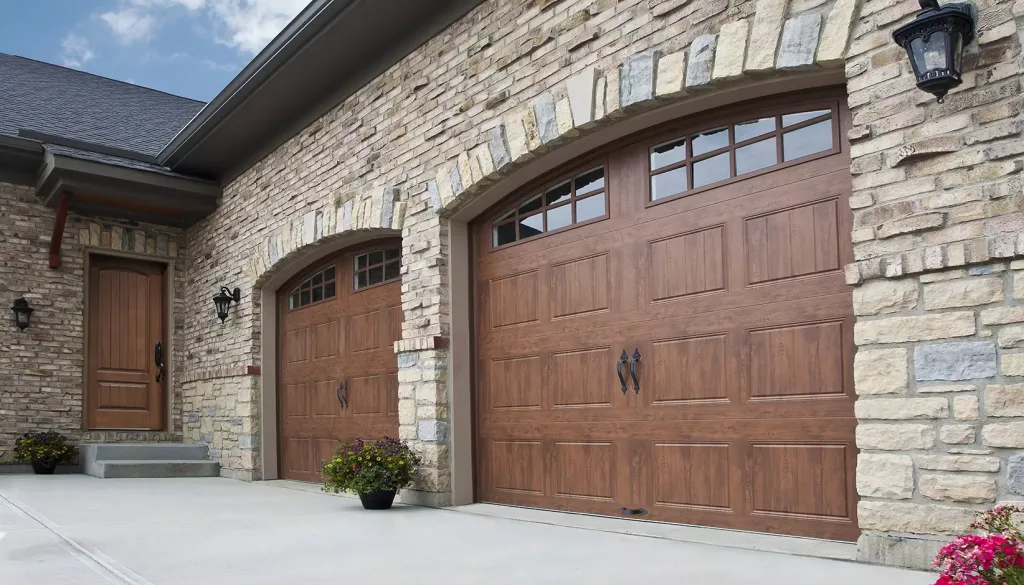
Even though they are one of the largest and most frequently used moving systems in a home, garage door maintenance is easy to forget about. However, it’s important to pay attention to unusual noises, slower movement or slight misalignment before they lead to serious consequences.
Among the biggest concerns is safety. Each year, around 35,000 injuries are linked to garage doors, with some cases resulting in severe harm. Components like springs and cables are under constant tension, and when they fail, they do so without warning. A malfunctioning garage door can also compromise home security or leave you stranded when you need access most.
It’s important to get professional support from a reliable provider as soon as issues arise, such as Viking Overhead. Veteran-owned and operated, it delivers same-day service across Burleson, Fort Worth, Crowley, Arlington and surrounding areas. Its team is available around the clock for emergency repairs and preventive maintenance, so garage door problems can be addressed before they escalate.
Frequently Asked Questions
Learn more about deferred home maintenance and why you should avoid it.
How frequently should you schedule home maintenance checks?
Most systems, such as plumbing, benefit from at least annual inspections, though high-use systems like HVAC may need servicing twice a year.
Is deferred maintenance really that expensive?
Yes, small repairs are typically far less costly than major replacements or structural fixes.
Can you handle maintenance yourself?
You should be able to manage basic upkeep independently, but professional inspections are important for identifying hidden or technical issues.
What are the first signs that a repair is needed?
Some early warning signs include unusual noises, water stains, rising energy bills and inconsistent system performance.
Procrastination Has a Hefty Price Tag
Putting things off may feel harmless in the moment, but those delays can compound into something far more costly. Staying proactive simply requires consistency. A small repair handled today can protect your home and finances tomorrow.