
Texas may not have the long, frozen winters of northern states, but our lawns still experience a seasonal slowdown. Most Texas landscapes feature warm-season grasses such as St. Augustine, Bermuda, Zoysia and Centipede. As temperatures drop, these grasses naturally slow their growth and may become dormant.
The goal of winter lawn care isn’t to keep grass growing. It is to help your lawn transition into dormancy while protecting it from cooler temperatures, dry weather and the occasional Texas freeze.
Know Your Grass
Before changing your watering or fertilizer routine, identify your turfgrass. Different varieties have different needs, and regional weather matters, too. A lawn in Houston may stay green considerably longer than one in North Texas, so there isn’t one winter schedule for the entire state.
Keep Mowing
Don’t stop mowing simply because fall arrives. Continue mowing while your grass is actively growing, following the recommended height for your particular turfgrass. As growth slows, mowing will become less frequent.
Avoid cutting the lawn dramatically shorter in an attempt to prepare it for winter. Proper mowing helps maintain healthy turf as grass enters dormancy.
Before storing your mower for the season, clean it, sharpen the blade and complete routine maintenance so it is ready for spring.
Rethink Fertilizer
Fall isn’t the time to automatically give a warm-season lawn another heavy dose of fertilizer. As turf approaches dormancy, it becomes less able to use nutrients efficiently.
A soil test is a better starting point than guessing. If your lawn needs additional nutrients, follow recommendations for your specific grass and region. Applying fertilizer at the wrong time can encourage growth when the lawn should be slowing down.
Adjust Your Watering
One common mistake is treating a winter lawn like a summer lawn. As temperatures cool and growth slows, water requirements decrease. Some lawns may need little or no supplemental irrigation while dormant, while lawns in warmer areas may remain green and need occasional watering.
Pay attention to rainfall, soil moisture and the forecast rather than following the same schedule you use in July. When watering is needed, early morning is generally best.
Prepare for a Freeze
Texas weather can change quickly. Before freezing temperatures arrive, check irrigation systems and exposed outdoor plumbing. Follow recommendations for protecting vulnerable plants and equipment, and avoid unnecessary irrigation during freezing conditions.
If your lawn experiences freeze damage, don’t rush to remove damaged growth. Give the grass time to recover as temperatures warm and spring growth begins.
Don’t Forget the Leaves
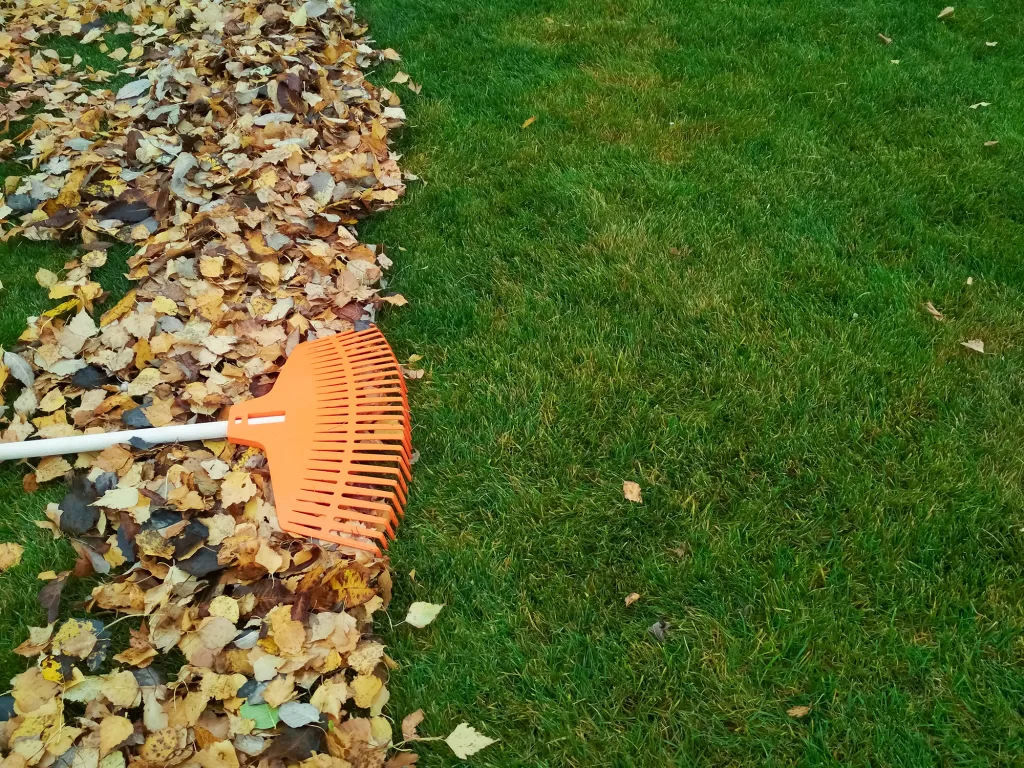
A thick layer of leaves can block sunlight and trap moisture against the turf. Rake or mulch fallen leaves regularly rather than allowing heavy layers to remain throughout winter. Shredded leaves can often be mulched into the lawn in moderation, returning organic matter to the soil as they break down.
Think Spring
Winter lawn care is really about knowing when to step back. Let warm-season grasses go dormant naturally, avoid unnecessary fertilizer and irrigation, keep leaves under control and prepare for the occasional freeze.
The best-looking spring lawns often begin with smart fall care. Give your grass what it needs now, then let the season do the rest.
A Lawn for Every Texas Climate
Winter doesn’t look the same from Amarillo to the Gulf Coast
North Texas: Cooler temperatures generally send warm-season grasses into dormancy earlier. Don’t be concerned when Bermuda or St. Augustine turns brown. This is a natural part of the seasonal cycle.
Central Texas: Temperatures can swing dramatically, so watch the weather rather than relying solely on the calendar. Warm spells may keep grass growing longer into fall.
Houston & Southeast Texas: Mild winters can keep lawns green longer, especially St. Augustine. That doesn’t necessarily mean your lawn needs the same watering and fertilizing routine it did during summer.
South Texas: Warmer conditions can mean a shorter dormant period. Monitor your lawn’s actual growth and soil moisture rather than following a winter schedule designed
for colder parts of the state.
The takeaway: Your lawn’s winter routine should be based on grass type, local climate and actual conditions, not simply the date on the calendar.












Show Comments