

Is using tech devices before bed bad for you?
You crawl into bed and settle in for the night. But wait! You forgot to email so-and-so. And OH! What was that recipe you wanted to try tomorrow? You find it via Google only to get sucked into a juicy food blog about mouth-watering confections. Then suddenly, you remember you forgot to set a reminder for Wednesday’s meeting. Meanwhile, your spouse is engaging in similar frenetic behavior on their device of choice, or silently lamenting the invention of smartphones and their innate ability to squash intimacy before sleep.
If this is you, or even a fraction of you, listen up. And listen closely. The use of devices such as phones, tablets, and laptops before bed could be doing more than ruining your relationship, it can be highly detrimental to your health—both mentally and physically!
More and more studies are revealing that the blue light emanating from LED-based devices and light bulbs boost cortisol in the brain (making you more alert) and reduce melatonin production, which your body needs to fall asleep. Therefore, your circadian rhythm gets out of whack and sleep is profoundly inhibited. Sleep deprivation leads to all kinds of unpleasantness, such as increased risk for heart disease, cancer, and diabetes, higher propensity for emotional imbalance, depression, increased anxiety, and much more.
“Reduced quality of sleep is associated with daytime sleepiness … and decreased productivity”
“Reduced quality of sleep is associated with daytime sleepiness … and decreased productivity,” says Akron Alashari, MD, a surgeon, speaker, and author (ThePowerofPeakState.com). “ is also an impediment to learning and memory.”
Staying connected and having information at your fingertips all the time may seem like a wonderful thing. But is sacrificing your health worth it? Here are some tips to help you overcome device addiction and ultimately catch more ZZZs.
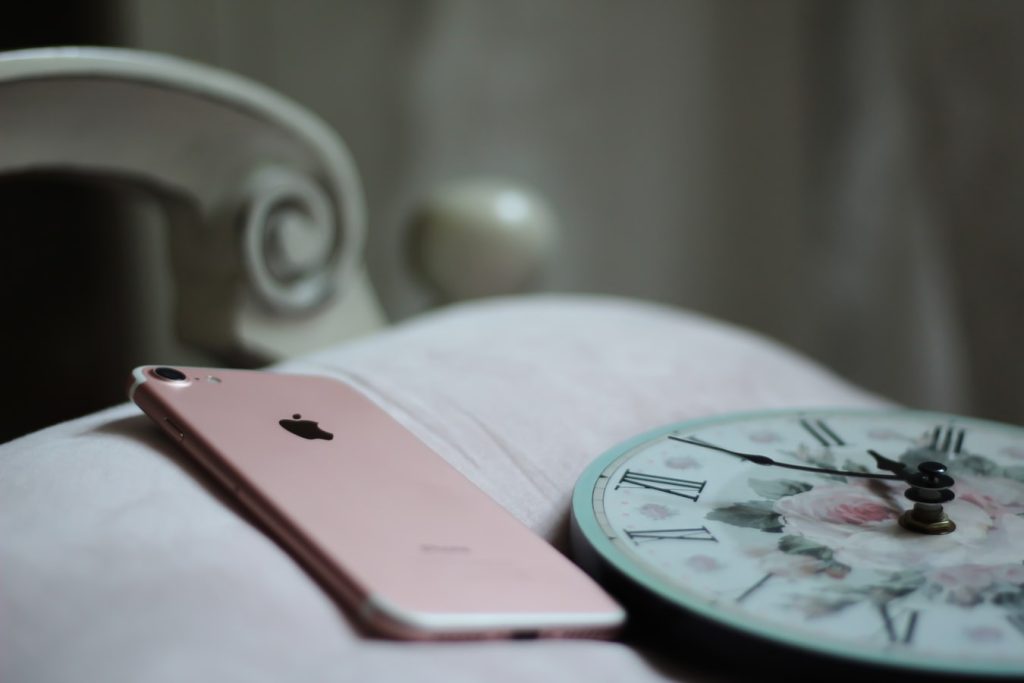
1. During the day, practice not reacting to incoming alerts and notifications. Either turn notifications off completely, or when your phone does beep or vibrate, ignore it. Set a schedule to check your phone once every 30 to 60 minutes or so.
2. Avoid looking at bright screens beginning an hour or two before bed. Yes, that even means your television. Try reading a book or listening to music instead.
3. Dim the lights 45 minutes before bed and quiet your mind as you “wind down,” Dr. Alashari suggests. Focus on your breathing, and maybe visualize your goals for the next day.
4. Put all devices in another room before bed so you’re not tempted to get them out.
By LaRue V. Gillespie