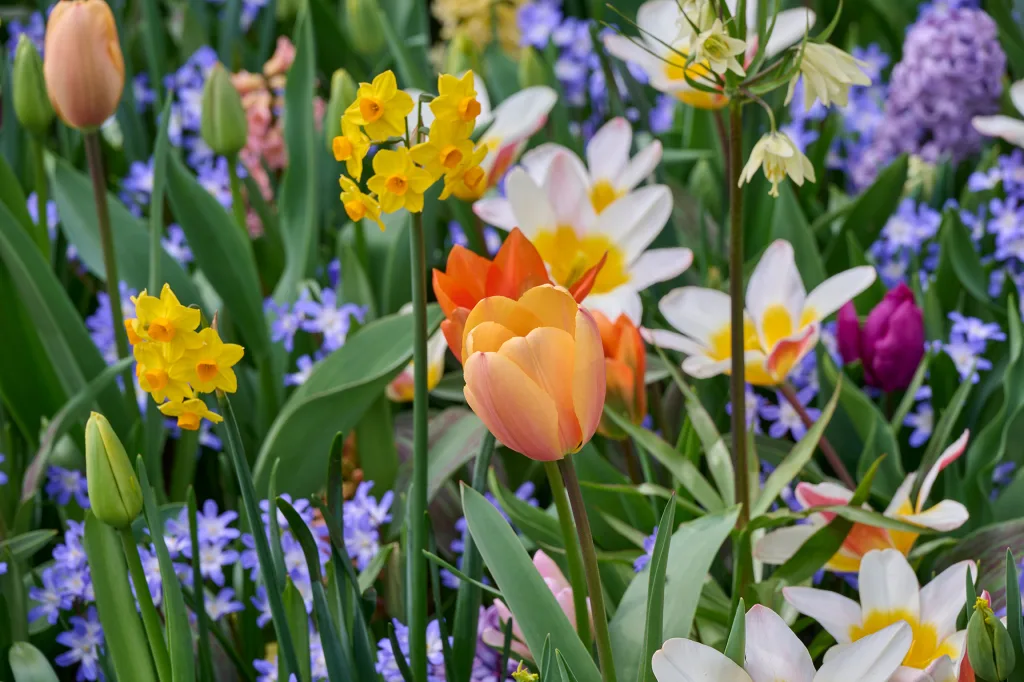
There’s something magical about planting a bulb and watching it transform into a brilliant bloom. Whether you’re dreaming of daffodils in the spring or lilies come summer, bulbs are a rewarding way to add color and charm to your landscape. But in Texas, with its varied climate zones and unpredictable weather, timing is everything.
Start with the Right Bulbs
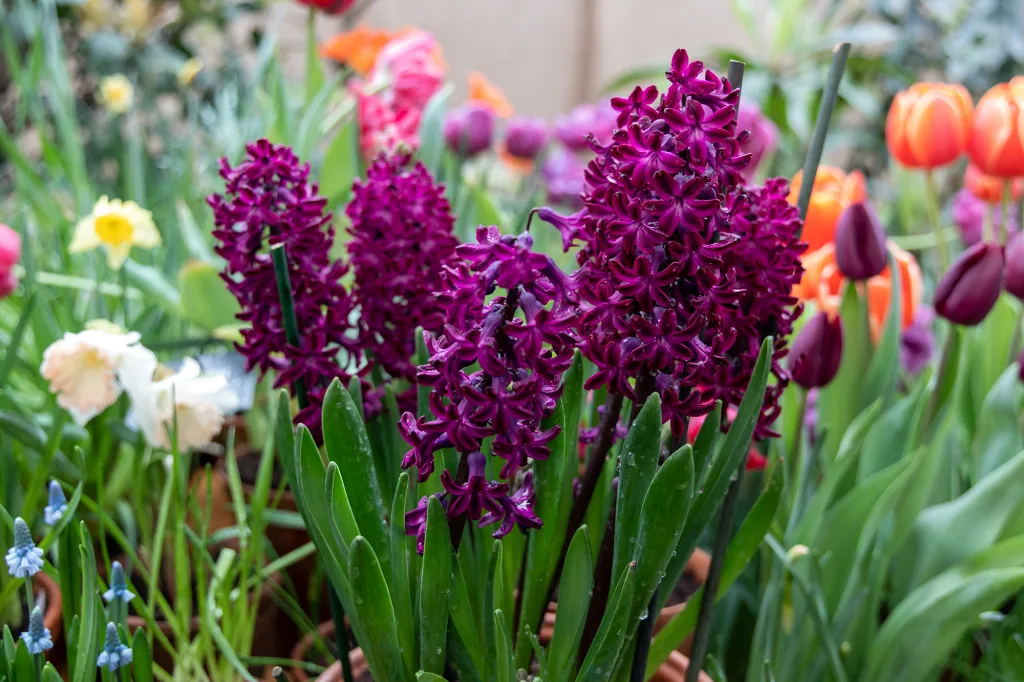
First, know your zone. Most of Texas falls within USDA zones 7 through 9, which means a wide variety of bulbs will thrive, but they need to be planted at just the right time. Spring-flowering bulbs — like tulips, hyacinths, daffodils, and crocus — should go into the ground in late fall, typically November through early December. These bulbs need a period of “chilling” to bloom properly, especially in warmer areas like Central and South Texas. Refrigerate them for 6 to 8 weeks before planting.
Summer-flowering bulbs — such as lilies, caladiums, gladiolus, and elephant ears — can be planted in early to mid-spring once the threat of frost has passed and the soil warms. These love Texas heat and bring bold beauty through the hottest months.
Prep Makes Perfect
Bulbs are surprisingly low maintenance once planted, but they need well-draining soil and a sunny spot to truly thrive. Before planting, enrich the soil with compost and make sure water won’t pool after a rain. Bulbs rot easily in soggy ground.
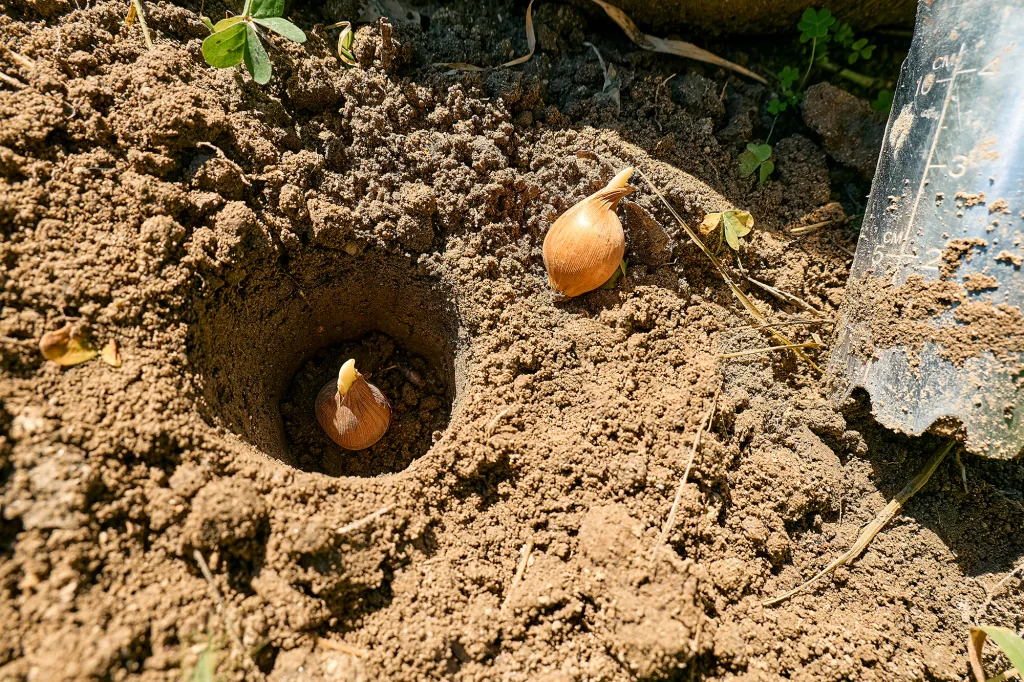
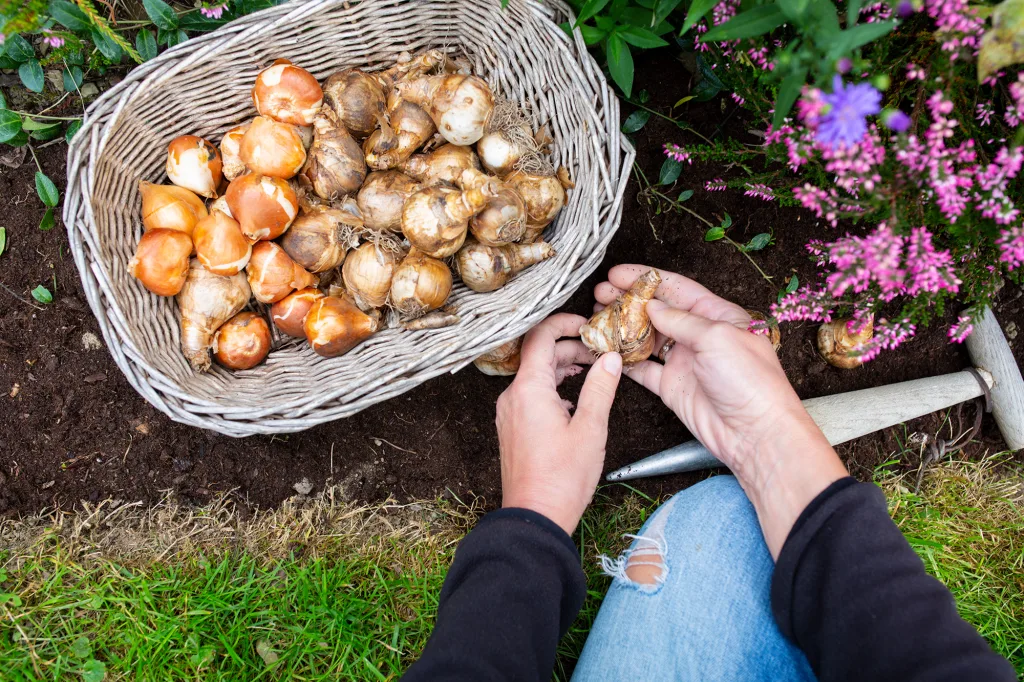
Plant bulbs at a depth that’s about three times their height. Pointy end up for most varieties. Water well after planting and apply mulch to help insulate and retain moisture.
A Little Planning, Big Payoff
For long-lasting impact, stagger your bloom times. Pair early-spring bloomers like crocus and snowdrops with mid-season daffodils and late-blooming tulips. Then transition into summer with gladiolus, cannas, and caladiums.
In Texas, many spring bulbs act as annuals unless pre-chilled or replanted. But some, like daffodils and spider lilies, naturalize beautifully and will return year after year with little fuss.
With a bit of planning and some patience, your garden will be bursting with color from late winter through summer — and you’ll feel like a pro every time a new shoot pops through the soil.