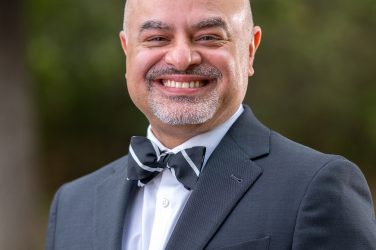

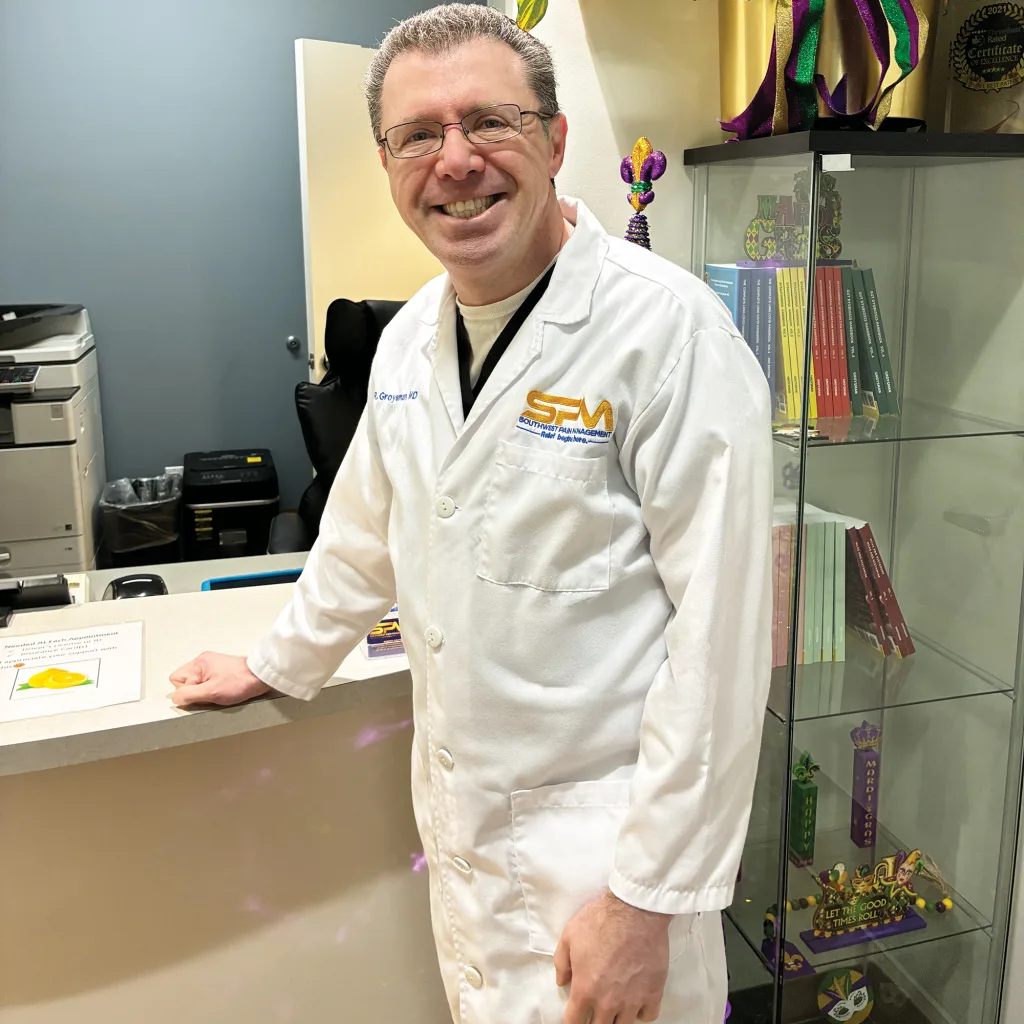
Robert Groysman, MD
BY meredith knight
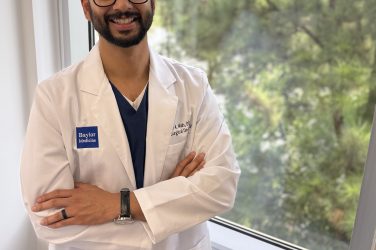
When you visit Dr. Robert Groysman at Southwest Pain Management, he’s very clear about how he manages pain. It starts with an individualized custom treatment plan, reducing your reliance on opioid medications, improving your function, and avoiding surgery, if at all possible. But before this can happen, he wants to know your why.
Are you hoping to play with your grandchild again, return to the golf course or pickleball court, sit pain-free in your fishing boat, or simply climb the stairs to sleep in the same room as your spouse?
Dr. Groysman strongly believes no branch of medicine should ever be assembly-line care, certainly not pain management. “I personally examine every patient,” he said. “For many of them, no one has ever really listened to their story. I want to validate what they’ve been through. Then, I want to partner with them to formulate a treatment plan that’s unique to them and that does more than just treat pain. I want to help restore their function and quality of life to them.” It’s what he’s done for hundreds of patients and it’s what he can do for you.
“When someone is experiencing pain, they’re not able to function and do the things they want to do,” Dr. Groysman said. “That loss in quality of life often leads to depression. Now, imagine you’re in pain, your quality of life is gone, you’re depressed, then you go to a doctor for help, and you’re treated like a drug addict. That’s exactly what happens to many patients.” Dr. Groysman witnessed this scenario repeatedly, as he worked as an anesthesiologist. In fact, it’s what led him to a career in pain management.
“The problem is that there’s no way to quantify pain,” he said. “There’s no definitive way to say whether someone is in pain or not. But many people legitimately need pain relief. Opioids can reduce pain but they do nothing to restore function and return quality of life. Basically, if you’re sitting on your butt all day because you’re in pain then we mute the pain but you’re still sitting on your butt, so we haven’t really improved your life.
“By the time they find their way to me, patients are often discouraged, even hopeless,” he said. “The first thing they need is someone to really listen to them, to hear what pain has taken from them, and to care about their goals. What is pain keeping you from? What would you like back in your life?”
When he’s not treating pain, Dr. Groysman loves spending time with his wife and two daughters. He’s also devoted much time to understanding the challenges of Long COVID and has published seven books on the subject. He’s now accepting new patients at Southwest Pain Management in Celina and Plano.
“By the time they find their
way to me, patients are often discouraged, even hopeless,”
he said.“The first thing they need is someone to really listen to them, to hear what pain has taken from them, and to care about their goals. What is pain keeping you from? What would you like back in your life?”