
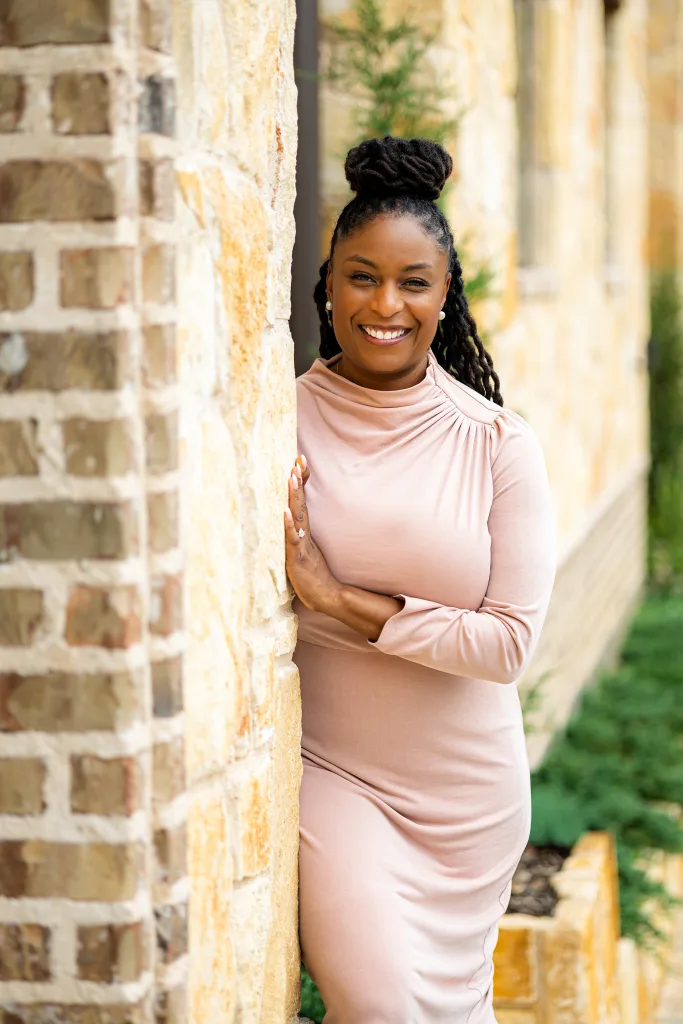
Photos by Lauren Marie Photography
Bianca Busch asks herself the same question every day. “What do my patients need?” As a dual-board-certified psychiatrist and therapist, she’s seen the answer to that question evolve over the years. One undeniable influence is the COVID epidemic, the subsequent “shutdown”, and the effects that, six years later, are still rippling through the lives of her patients.
“Teenagers and young adults are still struggling with the things they missed, during that year,” she said. “Kids of all ages—even college students—missed out on the socialization that is vital to their development and many are still playing catch-up.”
She also sees kids suffering from a lack of organizational skills. “In elementary school, when I was growing up, we were taught to keep a planner and a binder, to plan and organize our time,” she said. “Many children may have missed these lessons during the pandemic and continue to struggle with planning and organizing their lives. High school students are expected to plan for their education and their eventual career, when they haven’t yet learned those skills.”
More Than Medication
Dr. Busch speaks to parents who’ve been told their child has attention deficit hyperactively disorder (ADHD) and are struggling with whether to medicate them or not. “Many of them aren’t sure they want to take that route, but they also don’t want their child to struggle in school,” Dr. Busch said. “There are many things we can try first such as behavior changes, coaching, therapy, supplements, and lifestyle modification. There’s a lot of good evidence that medication can help with ADHD. But let’s exhaust all drug-free options first.”
Navigating Transition
Many of the adults Dr. Busch treats are in transition. “Maybe they’re retiring, changing jobs, relocating, or ending a relationship and they want to make sure they’re headed in the right direction,” Dr. Busch said. “In times of transition, it can be helpful to talk through the process with someone who’s trained to help you consider all important angles and aspects of your transition. It helps to have a safe space to process complex emotions, manage anxiety, and establish healthy
coping strategies.”
Dr. Busch sees women in the their 40s and 50s who were diagnosed with ADHD as a child, took medication for a while, and are wondering whether they should again. “Or their ADHD has never been diagnosed,” Dr. Busch said. “And they’re at a time of life when they’re dealing with the brain fog that often comes with menopause or perimenopause. Research seems to show that women with ADHD can experience more intense perimenopause symptoms or perimenopause may begin earlier for them. But there are things we can try like improved diet, focus on getting adequate sleep, stress management, coping strategies, or even medication to get you through this stage of life.”
Mental Health Solutions
The message Dr. Busch hopes to convey to each of her patients is the same. You don’t have to suffer. And you don’t have to navigate these challenges alone. “When anxiety, mood, or behavioral challenges are weighing on you or your child, with the right guide, clarity — and real relief — is possible.” For many, she is that guide.
Dr. Busch believes strongly that finding mental health solutions should mean more than taking a pill. “Although medication can be a helpful form of intervention, lasting change often only comes from the insight, skill-building, and sense of partnership gleaned through psychotherapy,” she said. “I started my Mansfield practice with the goal of thoughtfully integrating psychotherapy with medication management, because both are essential to achieving and maintaining strong mental health at any stage of life.”
Guarding Client Privacy
Dr. Busch operates on a private-pay basis, which is a relief to patients who may be worried about their private medical information and who has access to it. “We’re making progress every day in removing the stigma from seeking mental health care, but we still have a long way to go,” Dr. Busch said. “Patients who are themselves doctors or who are celebrities or work in the public arena, are often deluged with extra paperwork if they seek mental health care. And some parents worry about mental health care negatively affecting their child’s future career. By providing private, discreet care, I can alleviate those concerns. Patients can get the care they need without worrying about the associated stigma or arduous paperwork.”
Meet Dr. Busch
Dr. Busch was raised in New Mexico and attended the University of Chicago then worked in public health, which deepened her commitment to serving families and communities. Medical school expanded her fascination with the workings of the human body and psychiatry offered her the perfect intersection of her interests in both the social and biological sciences. She’s now dual-board certified in adult psychiatry and in child and adolescent psychiatry.
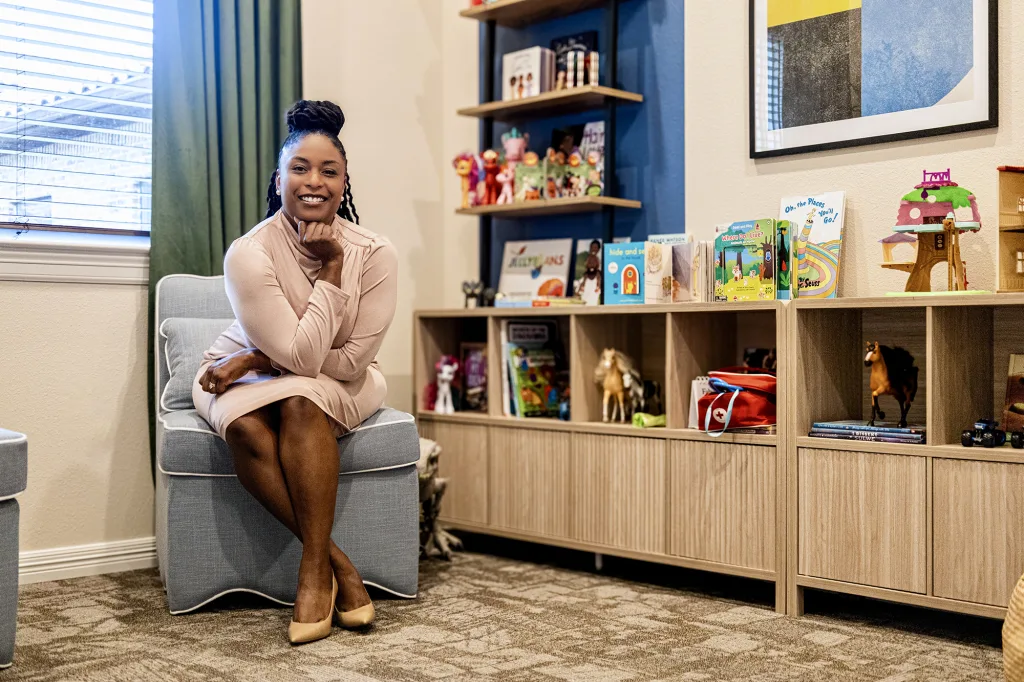
Dr. Busch designed her Mansfield practice to be warm, welcoming, and comfortable. “I want people to feel at ease the moment they walk through the door,” Dr Busch said. “My team and I strive to offer a concierge-level experience where patients feel respected, heard, and supported throughout their care.”
At the end of the day, when Dr. Busch leaves her practice, she returns home to a busy household with a son about to start kindergarten and a baby girl who is babbling and growing and keeping everyone on their toes. “We’re loving this Texas life,” she said. “We’re enjoying lazy nights and weekends in the backyard pool and love getting out and meeting other families with kids.” She and her husband recently joined a new church and have enjoyed getting connected and involved in ministry there.
Dr. Busch also provides virtual care across multiple states. Find out more and schedule a consultation at DrBiancaBusch.com.
CONTACT
601 Strada Circle Mansfield, Texas 76063
(617) 665-7832 | DrBiancaBusch.com
“We’re making progress every day in removing the stigma from seeking mental health care, but we still have a long way to go.”













Show Comments
SerwisAr
Really grateful for this insight
Comments are closed.