
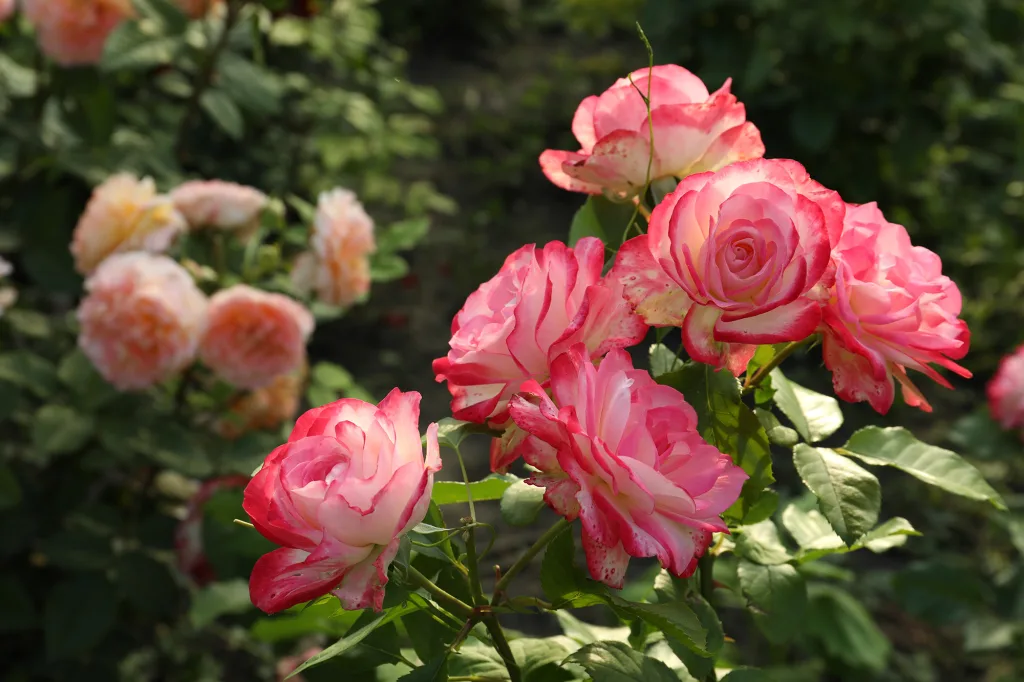
There’s something undeniably satisfying about growing roses. Whether it’s their elegant petals, rich fragrance, or sheer variety, roses add charm to any garden. And while Texas isn’t known for gentle gardening conditions, roses can thrive here — you just need to choose the right varieties and give them the right care.
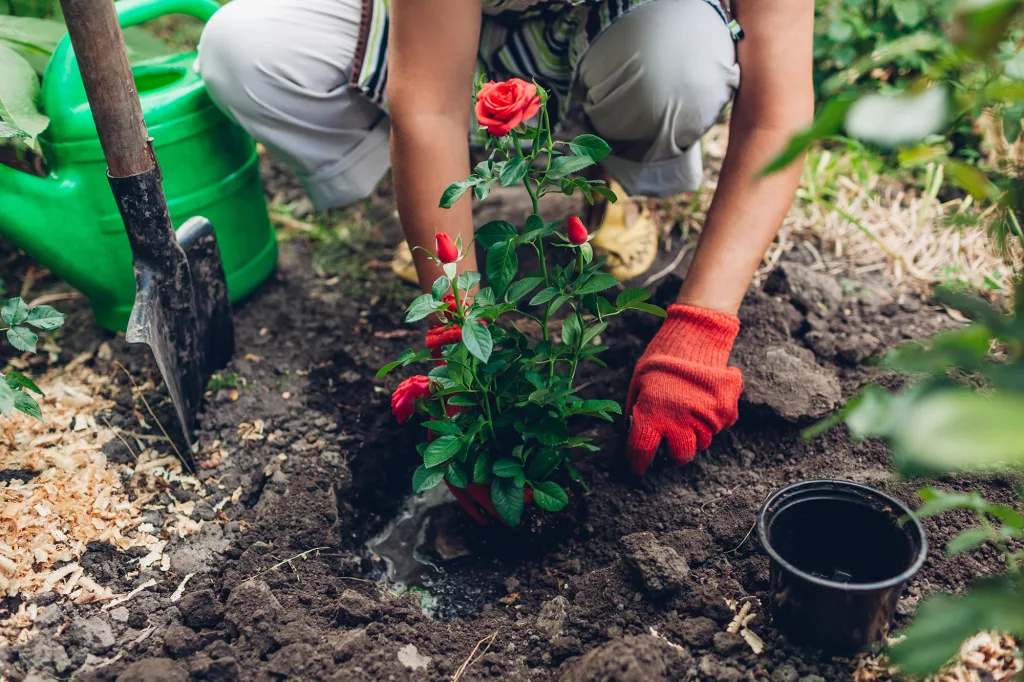
Let’s start with the kind of roses that do best. Texas gardeners should look for heat-tolerant, disease-resistant varieties that don’t require daily pampering. Reliable choices include Knock Out roses, which bloom continuously and require minimal upkeep, Belinda’s Dream, known for its large, fragrant pink flowers, Caldwell Pink, a tough, old-fashioned rose that can handle humidity, and Martha Gonzales, a compact option with bright red blooms and a solid reputation for durability.
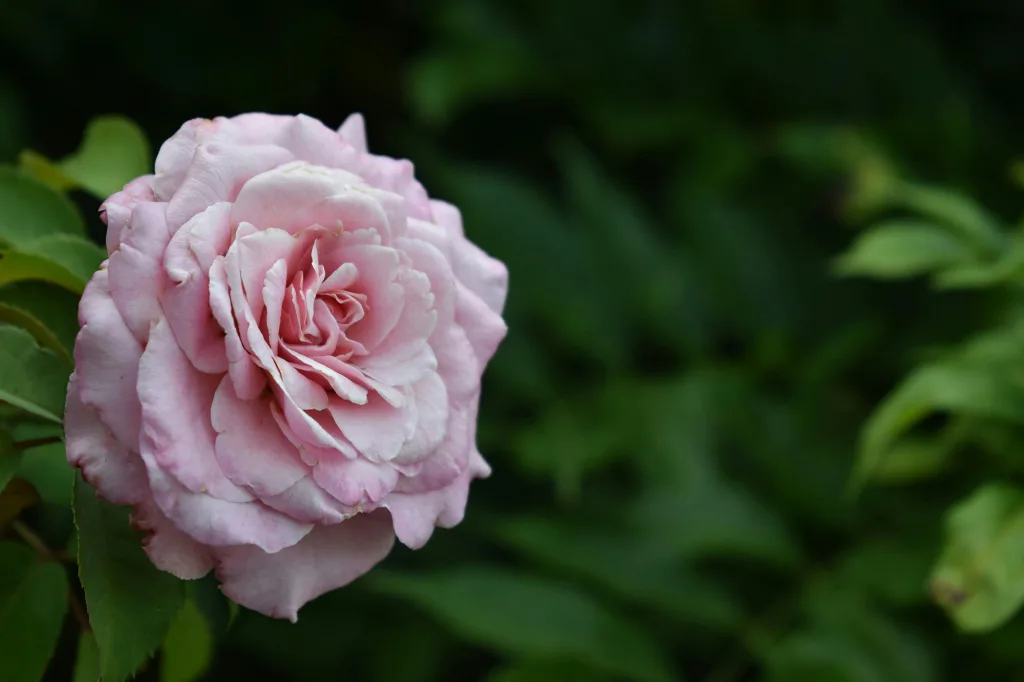
The best time to plant roses in Texas is in the fall, from mid-October through early December. Cooler weather gives new plants time to establish strong roots before the hotter months arrive. If fall slips by, early spring is your next window — just try to plant before the season heats up.
Site selection makes a big difference. Roses prefer full sun — six hours or more each day — and soil that drains well. If your soil tends to be heavy or clay-like, mix in compost or other organic material to improve drainage and add nutrients. Once your roses are in the ground, add a layer of mulch to help hold moisture and discourage weeds.
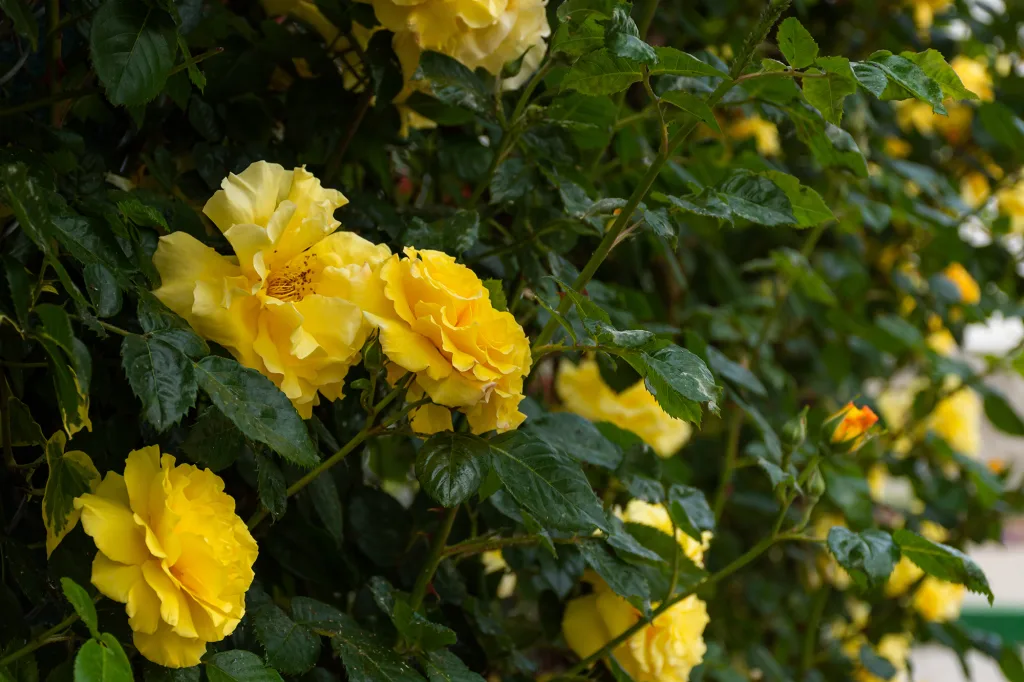
Watering is where many gardeners overdo it. Roses like deep watering at the base of the plant once or twice a week, depending on the weather. Avoid spraying the leaves — damp foliage can lead to disease.
Pruning is another essential part of rose care. In late winter, cut bushes back to about one-third of their height. Remove dead or crossing canes to help airflow and encourage fresh growth in the spring. It’s also the perfect time to shape the plant and keep it looking tidy.
Fertilize roses beginning in early spring and continue feeding every four to six weeks through midsummer. Stop fertilizing in late summer to allow the plant to wind down for fall.
With the right start and a bit of seasonal care, roses can be a standout feature in your landscape — not fussy divas, but strong, dependable bloomers that reward your efforts with color and fragrance all season long.
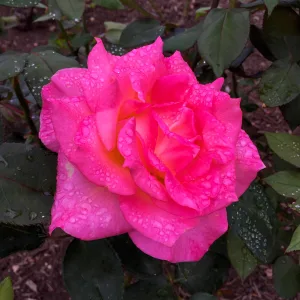
A Brief History of Four Favorites
Knock Out Rose
Introduced in 2000 by breeder William Radler, the Knock Out rose was developed to be low-maintenance, disease-resistant, and a continuous bloomer. It quickly became one of the best-selling landscape roses in North America thanks to its resilience and easygoing nature.
Belinda’s Dream
This rose was bred in Texas by Dr. Robert Basye and introduced in 1992. Named after a family friend, Belinda’s Dream was the first rose to earn the designation of Earth-Kind® by Texas A&M for its toughness, beauty, and minimal chemical needs.
Caldwell Pink
An old garden rose with unknown origins, Caldwell Pink was discovered growing in
Caldwell, Texas, and preserved by local gardeners. It’s believed to be a type of found rose, thriving for decades without modern care — a testament to its hardiness and charm.
Martha Gonzales
This compact red rose was shared by a woman named Martha Gonzales of Navasota, Texas, and later propagated and promoted by rose enthusiasts. Like Caldwell Pink, it’s considered a “found rose” — passed from gardener to gardener and prized for its vigor and vivid color.