Photos by The Teal Album
For adults under 50, a more sedentary lifestyle and diets that aren’t as healthy as they were only a couple of generations ago are generally thought of as merely risks for their waistlines and perhaps cardiovascular health. But over the past two decades, these factors have contributed to an alarming rise in colon cancer rates in this age group.
This trend has led the U.S. Preventive Services Task Force and the American Cancer Society (ACS) to recommend that adults first receive a screening colonoscopy starting at age 45 rather than 50. Those with a family history of the disease may need to start even sooner.
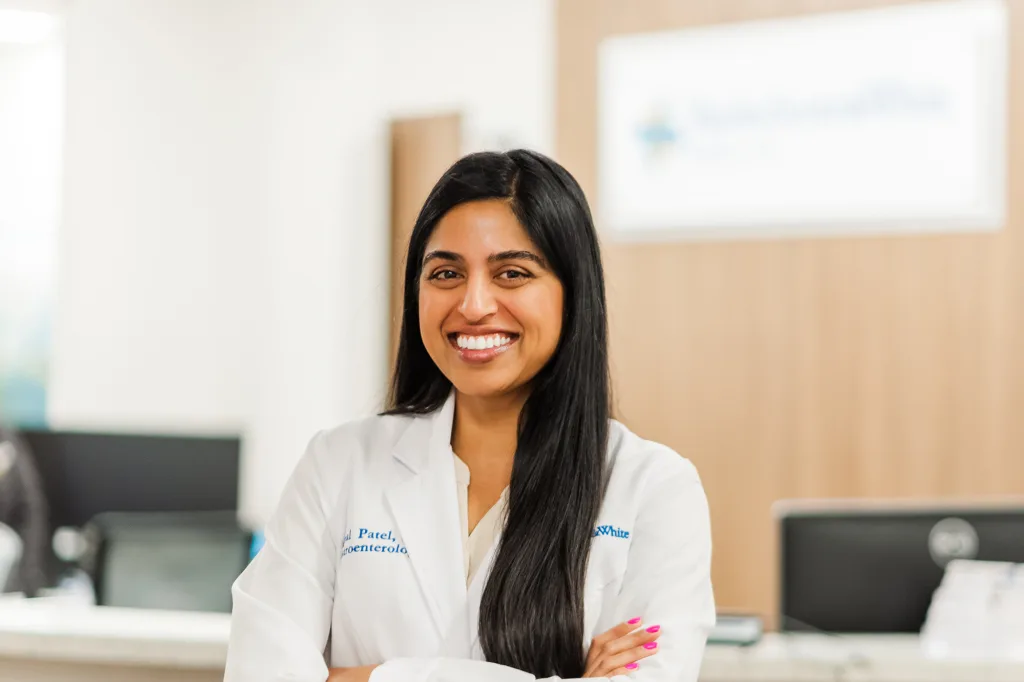
“I personally have done colonoscopies on people younger than age 50, and I’ve found advanced colon cancers,” says Rupal Patel, MD, a gastroenterologist on the Baylor Scott & White Medical Center – Lake Pointe medical staff.
Familiar Reasons
Much of the conventional wisdom surrounding risks to overall health is thought to be a major driver of colon cancer becoming the number one cancer-related cause of death for adults under 50, according to the ACS. These risks include:
- Red meat and ultra-processed food consumption
- Lack of exercise and physical activity
- Climbing obesity rates
- Use of tobacco products
- Unhealthy habits around alcohol
Even younger adults who eat healthier diets are often missing one key ingredient for good gut health, says Dr. Patel. “People don’t realize how much fiber they need on a daily basis. Even if someone’s eating nuts or berries or other healthy foods, they still might not be getting enough.”
Getting on the right tract
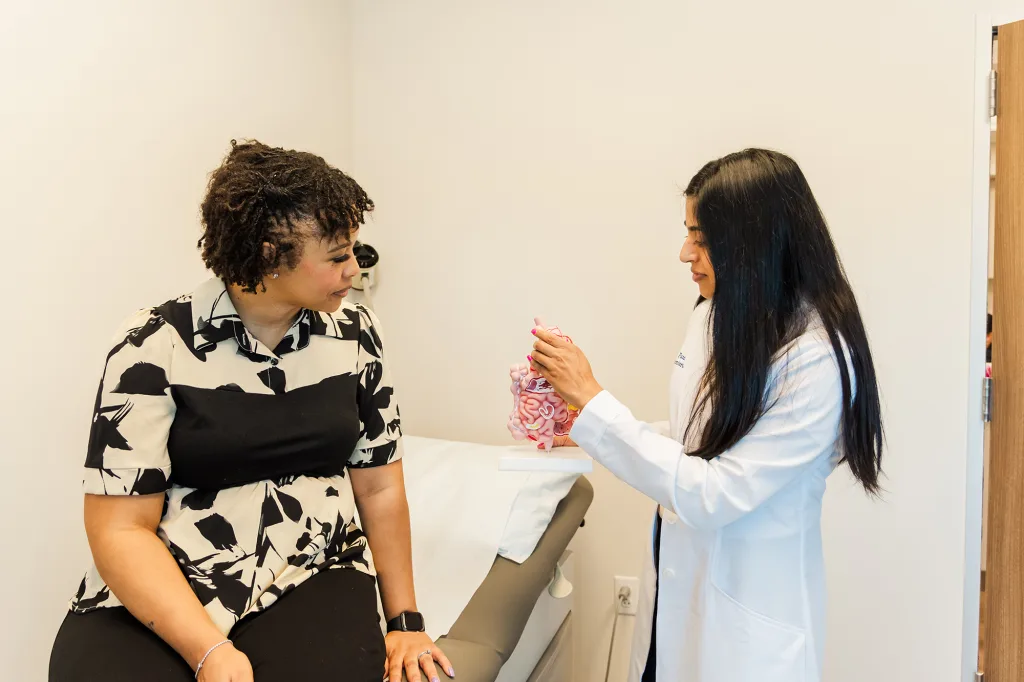
“Adults should be getting 30 to 35 grams of fiber every day,” explains Dr. Patel. “Some sort of supplemental fiber, like psyllium husk or Metamucil, can help.”
As far as eating habits are concerned, a solid diet for digestive health should include:
- Proteins such as fresh chicken and fish rather than packaged lunch meat or bacon.
- Plenty of fresh fruits and vegetables (though people with certain digestive disorders should consult their physician about which fruits and vegetables may be best).
- Limiting processed foods like chips, sweets and white bread, as well as alcohol.
Getting a colonoscopy starting at age 45 also is key. It’s the only cancer screening test that can also prevent cancer. During the procedure, a GI specialist can find and remove polyps, which is what all forms of colon cancer start out as. Though no one looks forward to a colonoscopy, recent improvements in the preparation, procedure and recovery have made the whole process much more comfortable.
“Honestly, I consistently hear people going into the procedure worried or scared,” says Dr. Patel, “and then they come out, and they’re usually like, ‘Oh, that wasn’t as bad as I thought,’ or ‘That was the best nap I ever had.’”
And who doesn’t like a good nap?
CONTACT
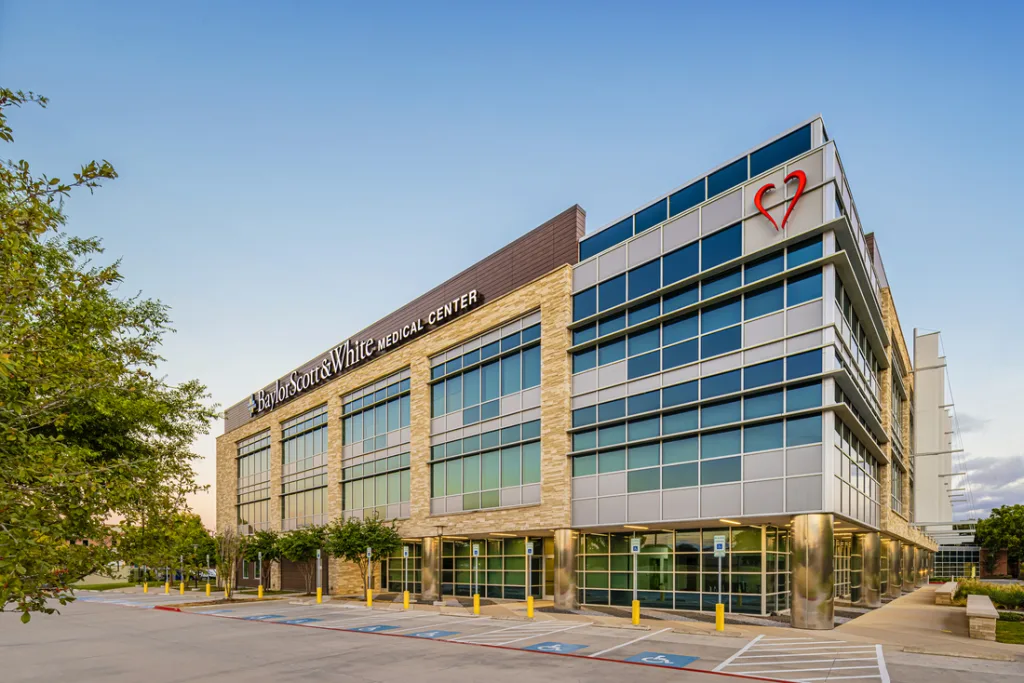
Baylor Scott & White Medical Center – Lake Pointe
6705 Heritage Parkway, Suite 203, Rockwall, Texas 75087
(469) 800-2950 | bswhealth.com/specialties/gastroenterology
Putting Better GI Health In Your Hands
Want to get your digestive tract on the right track? Download the MyBSWHealth app for activities that can benefit your colon—and overall—health or to find a gastroenterologist or primary care physician who can help put your gut at ease.