By Mimi Greenwood Knight
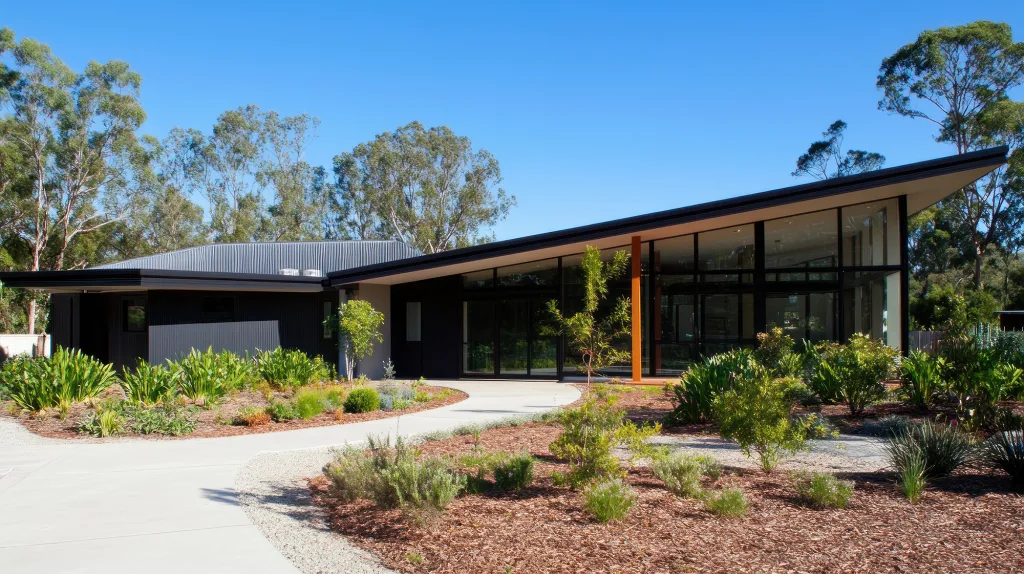
Living in a drought-ridden area doesn’t mean you can’t still have a beautiful landscape that provides privacy, shelter, curb appeal, and a beautiful place to unwind. Xeriscaping (creating gardens that thrives on minimal water) is the name of the game. It’s also wise to plant native plants that are well adapted to our growing conditions. Beyond that, consider these eight tips.
Less Lawn
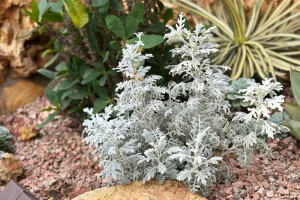
Lawns are water guzzlers often needing irrigation to stay green. Consider replacing some or all of your lawn with “water-wise” plantings and drought-tolerant groundcover. You can also replace bits of lawn with eye-catching hardscape, such as meandering paths made of pavers or gravel and interesting garden art.
Choose Water-Thrifty Plants
Drought-tolerant plants such as coneflowers, autumn sage, blue plumbago, red-flowered penstemon, and blackfoot daisy add color while thriving in heat and sun, even more so if they’re planted densely so they shade the soil and slow evaporation. Closely spaced plants also crowd out weeds, cool the effects of the sun, and reduce the need for mulch.
Let’s Talk Groundcover
The right groundcover can serve as a living mulch to slow water evaporation in your drought-tolerant landscape. Low-growing groundcover can minimize water runoff and evaporation and suppress the weeds that compete for water. Their roots help prevent soil erosion and the plant helps cool the ground during the hottest months.
Amend Your Soil
Improve your soil’s water-holding capacity by adding organic matter such as compost you create or buy commercially. Mix compost into your existing soil to improve its structure, increase its ability to retain moisture, and promote robust root development, so your plants can thrive with less water.
Mulch, Mulch, Mulch
A layer of wood chips, bark, pine straw, leaf litter, or even gravel and pebbles can conserve soil moisture by reducing evaporation, regulate soil temperature to protect roots from heat stress, suppress weeds that compete for water, protect the soil from erosion caused by wind or rain, and improve soil over time as it decomposes.
Practice Hydrozoning
Hydrozoning is the practice of dividing your landscape into zones where plants with similar watering needs are grouped together.
It’s a great way to conserve water, promote plant health, and save money by watering more efficiently and precisely, targeting a smaller area for extra watering rather than watering the entire garden.
Consider a Water Feature
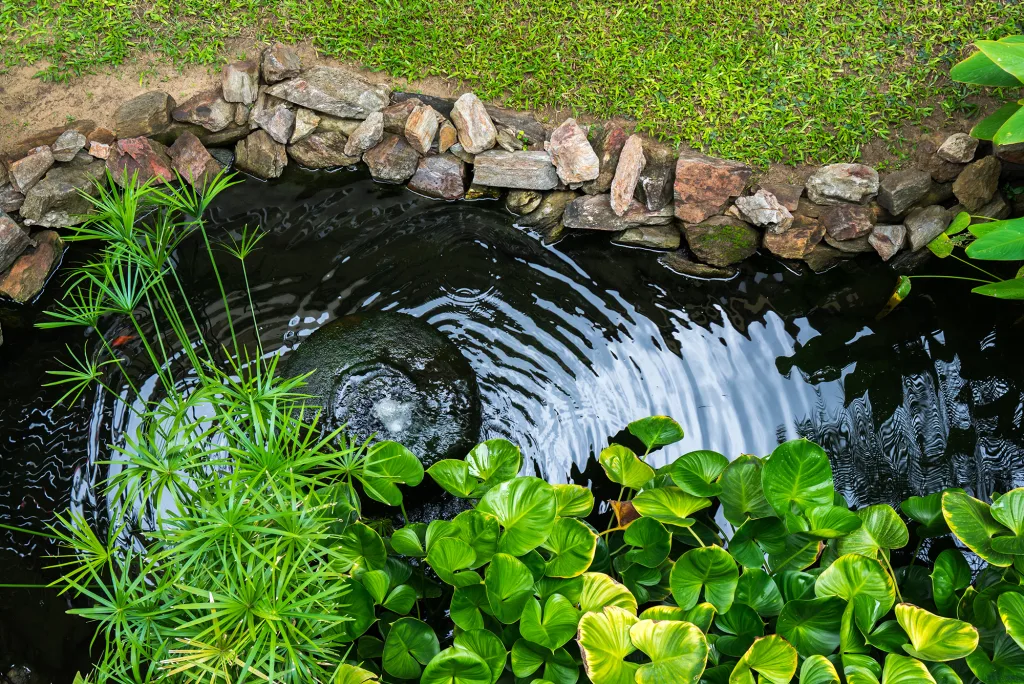
Capture and recycle water with a garden fountain or small pond. The right water feature can serve as a focal point, create a relaxing, stress-reducing atmosphere, attract and support wildlife, contribute to a cooler microclimate, and even improve air quality by reducing dust in the air.
Incorporate Pots
Lastly, I like to include less drought-tolerant plants in pots or planters which I can easily water separately. They’re also mobile. So, if I find I have a gap in my planting, I can move them from place to place any time I find I need to fill in the space.
Happy drought-savvy gardening, y’all.
Seeding Success
Shrubs
Texas sage, abelia, dwarf yaupon holly, barberry, and flame mizcanthus
Flowers
Coneflowers, autumn sage, coreopsis, lantana, blackfoot daisies, turk’s cap lavender, catmint, goat’s beard, and lady’s mantle
Grasses
Gulf Muhly, zoysia Bermuda grass, buffalograss, and Zoysia grass
Other Options
Dwarf palmetto, American beautyberry, and desert willow