

By Annette Brooks
A dazzling smile can light up a room, boost confidence, and leave a lasting impression. For those seeking a radiant grin, teeth whitening and other professional dental procedures can provide safe, effective, transformative results.
In-office Teeth Whitening
Teeth whitening is a cornerstone of cosmetic dentistry. In-office whitening treatments, which typically involve using hydrogen peroxide bleaching gels activated by laser or LED lights, can brighten teeth by several shades in just one session. Dentists assess enamel health and customize the treatment to avoid sensitivity, a common concern with DIY kits.
An in-office teeth whitening treatment usually takes 30 to 60 minutes. The duration depends on the technology used and the severity of the tooth stain severity. The number of teeth whitening sessions needed varies based on the initial tooth color, desired whiteness, and stain type. Patients with severe staining may require two to three sessions spaced days or weeks apart to minimize sensitivity and help ensure even results. Results can last up to two years, depending on lifestyle factors such as diet and smoking.
For patients preferring at-home convenience, dentists provide custom-fitted trays with professional-grade whitening gel, offering results comparable to in-office procedures over a few weeks instead of in one or two in-office treatments. At-home teeth whitening prescribed by a dentist is generally preferred to over-the-counter teeth whitening kits in terms of effectiveness, safety, and customization.
Porcelain Veneers
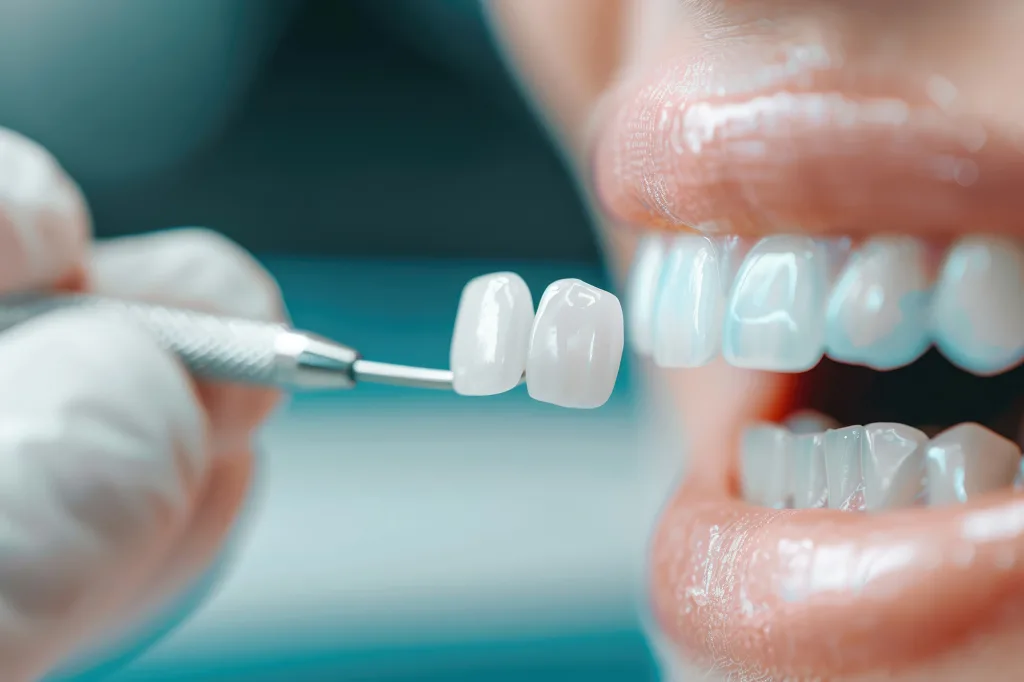
Beyond whitening, other professional dental procedures enhance smiles comprehensively. Porcelain veneers — custom-made porcelain shells bonded to prepared teeth — correct discoloration, chips, uneven tooth lengths, and subtle misalignment, creating a flawless appearance.
Porcelain veneers typically last up to 15 years with proper care, though some can last up to 20 years or more. Proper maintenance, such as brushing, flossing, and regular dental check-ups, can extend their lifespan.
Low or no-prep veneers are ultra-thin, custom-crafted porcelain or composite shells bonded to the front of teeth to enhance their appearance with minimal enamel removal. They address cosmetic issues while preserving more natural teeth than traditional veneers. The procedure is less invasive and may be reversible in many cases.
Dental Bonding
This treatment involves applying, hardening, and contouring tooth-colored resin to repair minor imperfections and brighten your smile. It offers a cost-effective alternative to porcelain veneers that brightens tooth color and addresses chips, cracks, and gaps.
During the procedure, the dentist lightly etches the tooth surface to help the resin adhere. Next, a pliable colored resin is applied directly onto the affected area. When the dentist has finished molding it to achieve the desired shape and texture, the material is hardened with a special ultraviolet light or laser, bonding it to the tooth. Next, the bonded area is polished to blend seamlessly with the surrounding teeth, improving appearance.
Training and Expertise
Choosing a qualified dentist is crucial. Look for professionals with cosmetic dentistry certifications and positive patient reviews. A consultation can clarify options, costs, and expected outcomes, ensuring informed decisions. With advancements in dental technology, achieving a bright, healthy smile has never been more accessible.
Your Path to a Brighter Smile
Your journey begins with a cosmetic dental consultation. Bring a list of your concerns, questions, and desired changes with you. Be ready to discuss your budget and ask about the dentist’s experience with cosmetic procedures.
What to expect:
- Medical and dental history review – The dentist will ask about your overall health, dental history, and any medications you’re taking.
- Oral examination – A physical exam of your teeth, gums, enamel wear, and bite will be conducted to assess your oral health and identify issues (e.g., cavities, gum disease) that may need addressing before cosmetic work.
- Discussion of goals and treatment options – You’ll share your desired outcomes, such as whiter teeth, fixing a chip, and closing gaps. The dentist will explain which procedures (e.g., bonding, veneers, whitening, crowns) are suitable based on your needs, budget, and dental condition. Photos or 3D imaging may be used to help you visualize potential results or create a treatment plan.
- Budget and timeline – You’ll receive an estimate of costs, which can vary widely among treatment options, and the dentist will discuss the number of office visits required and procedure duration.