By Kim Armstrong Photos By Michael Hunter and Adobe Stock
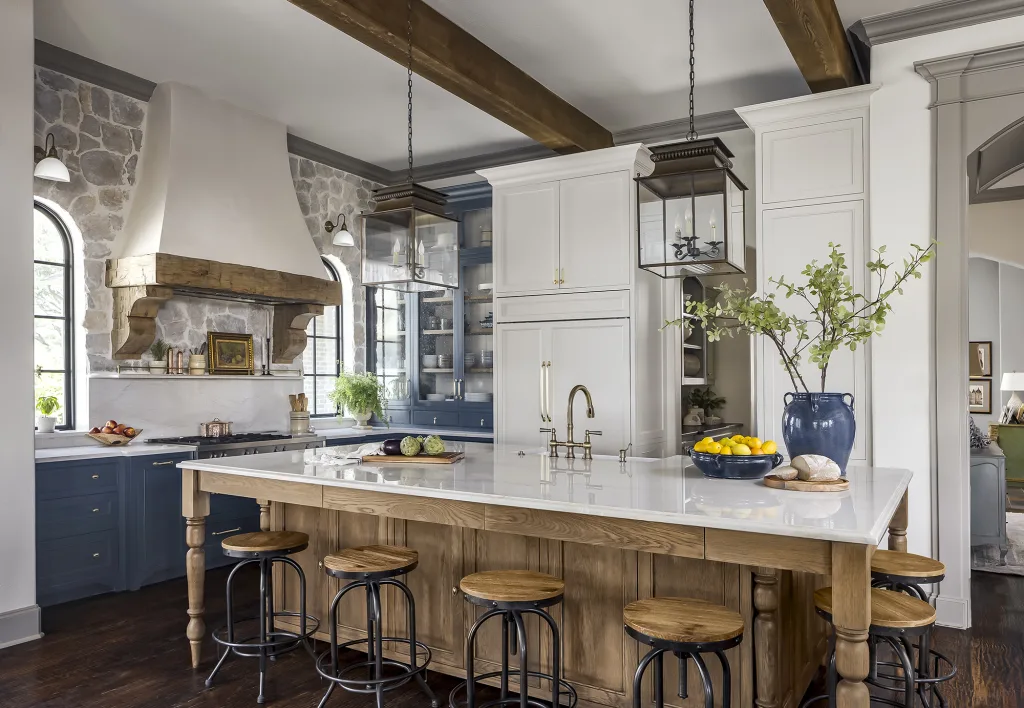
A kitchen renovation is one of the most impactful upgrades you can make to your home. Whether you’re refreshing a dated space, improving functionality, or creating a warmer gathering place for family and friends, a thoughtful remodel can completely transform how your home lives day to day.
That said, the sheer number of decisions — layout, materials, storage, lighting, and budget — can quickly feel overwhelming. Keeping a few key priorities in mind will help you design a kitchen that is not only beautiful but truly works for your life.
Start with how you actually live.
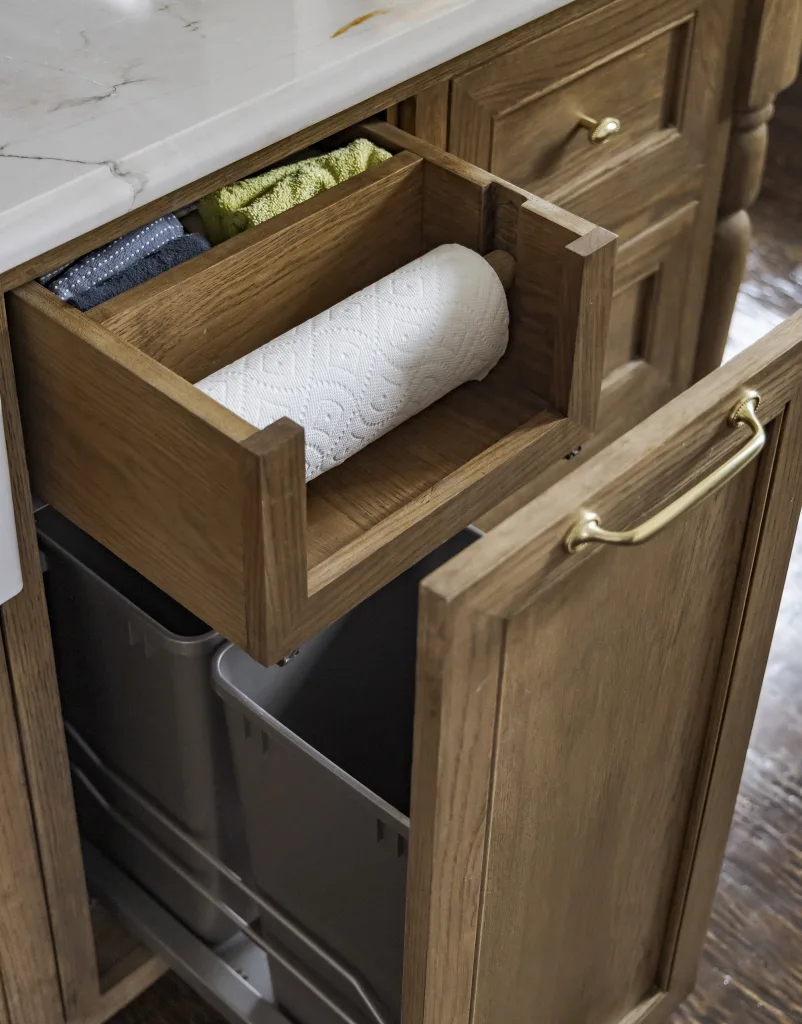
Your daily habits should drive your storage plan. If paper towels always end up on the counter, build in a discreet holder. If coffee is part of your morning ritual, create a dedicated zone for machines, grinders, pods, and mugs. Many households benefit from an appliance garage, where everything stays plugged in but can be hidden behind doors when not in use. Freestanding pieces like hutches or armoires can also provide flexible storage. And if devices constantly crowd your counters, a charging drawer keeps phones, tablets, and laptops powered without visual clutter.
Bring in color and texture.
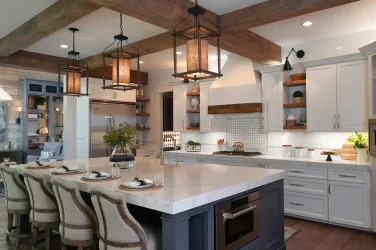
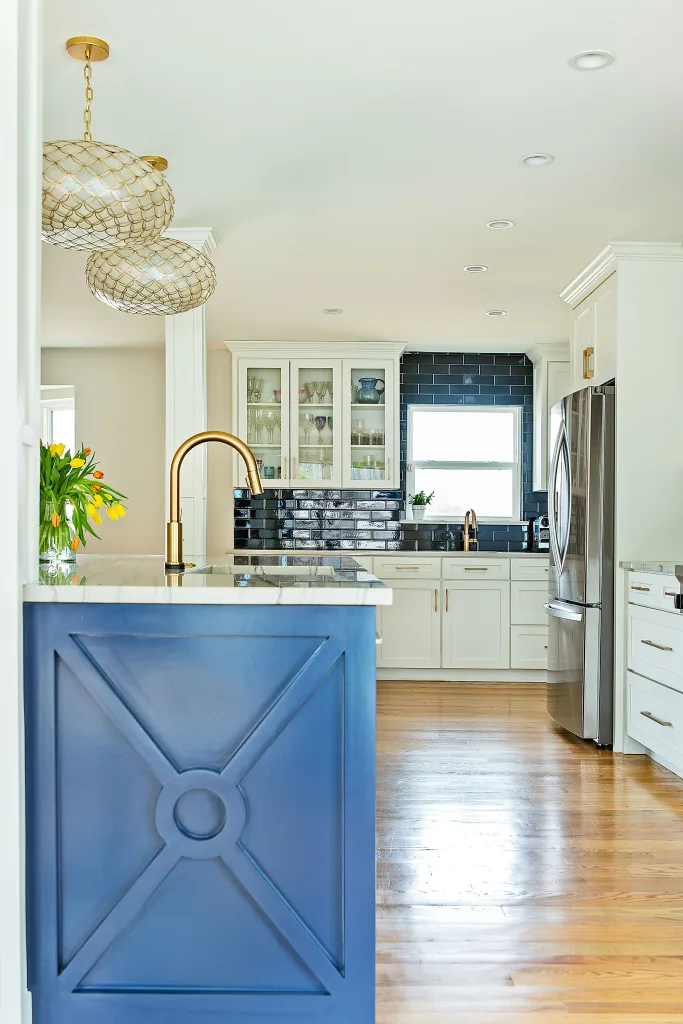
Warmth comes from contrast and layering. Mix materials — wood, metal, stone, and fabric—to create depth and personality. Upholstered seating, natural wood tables, and metallic accents can make even a hardworking kitchen feel inviting and comfortable rather than purely utilitarian.
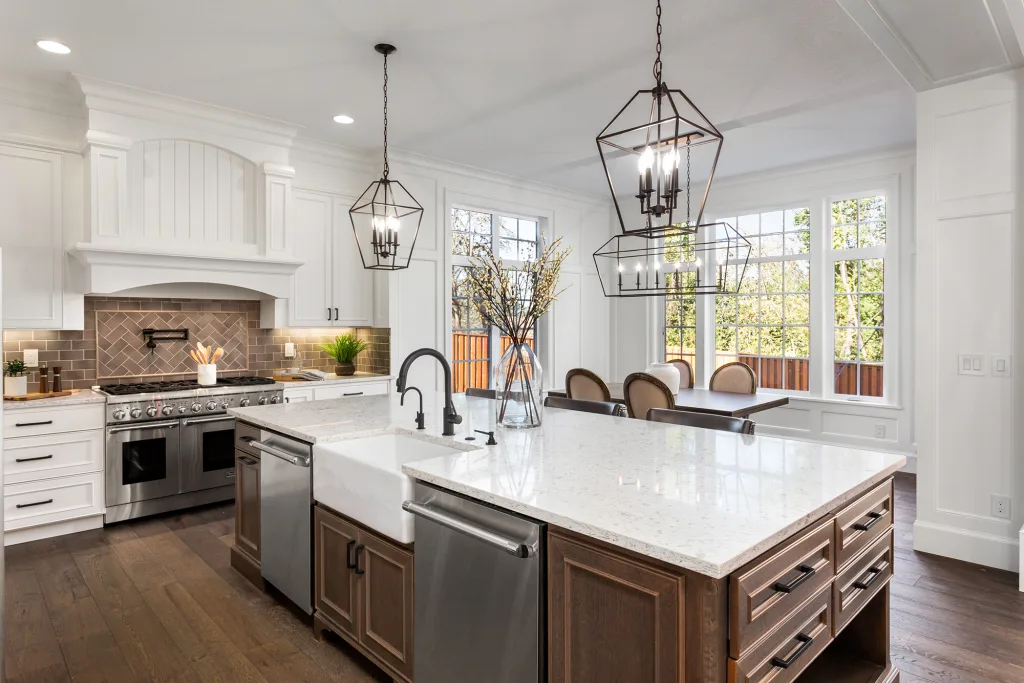
Layer your lighting.
A well-designed kitchen uses multiple light sources. Combine dimmable ceiling lights, under-cabinet lighting for tasks, and decorative fixtures for ambiance. Under-cabinet lights are especially useful in the evening, providing a soft glow that can function as a night light without flooding the space with bright overhead light.
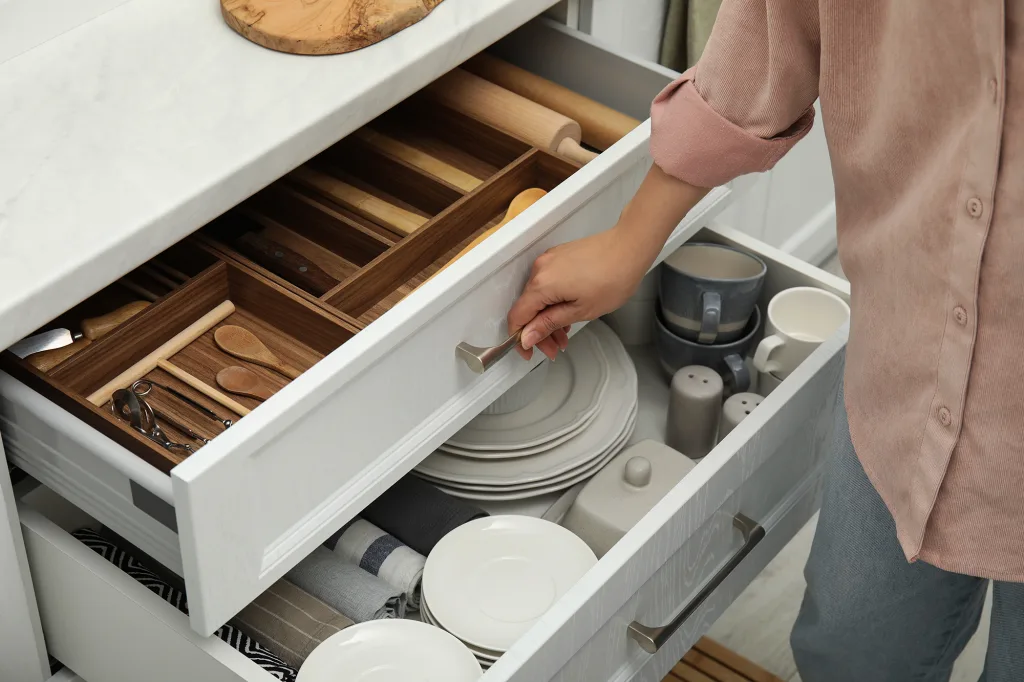
Prioritize deep drawer storage.
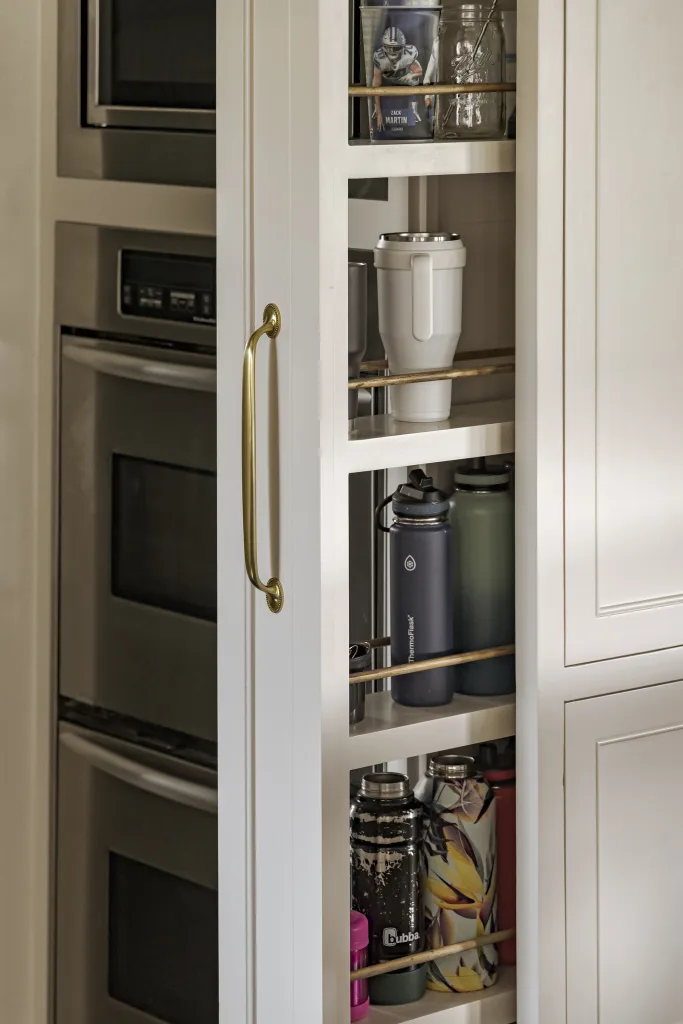
Whenever possible, swap lower cabinets for drawers. Deep drawers make it far easier to organize and access dishes, cookware, lids, and even water bottles — no more digging through dark cabinet corners.
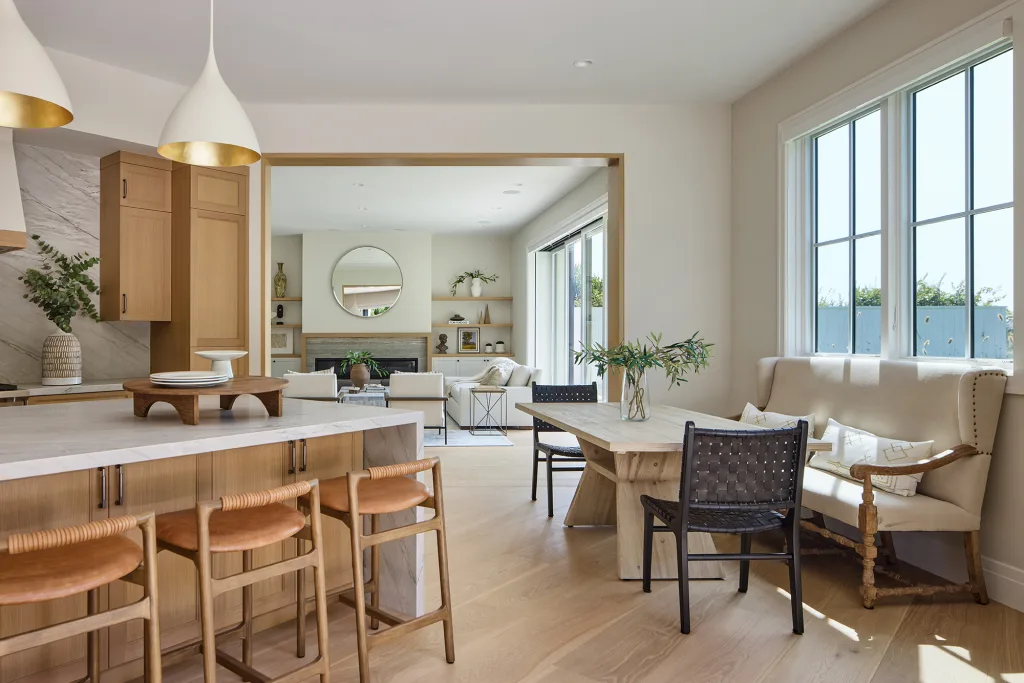
Allow generous walkway space.
Clearances can make or break functionality. While minimum standards exist, wider aisles dramatically improve comfort and traffic flow — especially when multiple people are cooking, unloading the dishwasher, or passing through. Aim for no less than 48 inches, and if space allows, 54 inches is even better. Wider walkways ensure the kitchen never feels cramped and allow room to open appliances while maintaining easy movement.
Above all, design for function first and aesthetics second. A kitchen that works effortlessly will always feel more beautiful than one that simply looks good. When form follows function, the result is a space you’ll love using every single day.