By Mimi Greenwood Knight
“Consider how the wildflowers grow. They do not labor or spin. Yet I tell you, not even
Solomon in all his splendor was dressed like one of these.” — Luke 12:27
Lady Bird Johnson understood the healing power of wildflowers and made it one of her life missions to advocate for their preservation and proliferation. When she said, “Where flowers bloom, so does hope,” she understood how vital native wildflowers are, not just to the planet, but to we mere mortals who stumble around on its surface.
The term “eco-therapy” isn’t just a clever buzzword. It’s the idea that time in nature can rejuvenate us mentally, spiritually, and emotionally. Researchers continue to explore the many ways spending time among native wildflowers and other natural landscapes can benefit our mental, emotional, and physical well-being.
Those native flowers along the roadside — and hopefully in your yard — are feeding wildlife, supporting native pollinators that help grow our food, and promoting healthy, natural ecosystems. At the same time, they’re having a positive psychological and physiological impact on our health.
Blooming Benefits
For millennia, wildflowers have been used by indigenous peoples around the world for herbal remedies. We understand today that many flowering plants contain naturally occurring compounds with antibacterial, anti-inflammatory, antioxidant, and other beneficial properties that have been studied for centuries. Depending on the species, they have traditionally been used to ease inflammation, soothe rashes, promote relaxation, support the immune system, settle the stomach, soothe insect stings and bites, and more.
Some examples of medicinal flowers are lavender to promote relaxation and better sleep, jasmine for its calming fragrance, mimosa, which has a long history of traditional use, calendula to soothe the skin, chamomile to ease digestive discomfort, echinacea to support the immune system, passionflower to promote relaxation, and elderflower, which has traditionally been used to support respiratory health.
Even if you’re not ingesting them, wildflowers have plenty to offer. In a randomized controlled trial, researchers found that post-surgery patients with flowers in their rooms used fewer pain medications, had lower blood pressure, lower heart rates, less anxiety, and less fatigue, concluding that “plants in a hospital environment could be a noninvasive, inexpensive, and effective complementary medicine for patients recovering from surgery.”
In an unrelated study, patients with neurocognitive disorders such as Alzheimer’s, Parkinson’s, and multiple sclerosis were asked to arrange live flowers and foliage, then take the arrangements home to enjoy with their family and caregivers. Researchers found that time spent arranging flowers was associated with improvements in visuospatial memory and greater participation in cognitive therapy. The flower bouquets also reportedly had a positive effect on the patients’ caregivers, lessening their anxiety and insomnia.
Wildflowers for All
Consider this. There are 17 million acres managed by departments of transportation in this country. Imagine if all 17 million were planted with wildflowers. It could decrease the frequency of mowing (from an estimated seven times a year to only once in some areas), reduce maintenance costs, and lessen the need for herbicides, helping keep chemicals out of our air and waterways. Wildflowers along public roadways are said to break up driver monotony, create a more pleasant driving experience, and help reduce driver stress, not to mention improving soil health and helping slow stormwater runoff.
In short, planting wildflowers in our gardens, parks, and along roadsides would enable these flowers to continue providing food and shelter for native wildlife, enhance our soil, filter our water and air, and enrich our lives in countless ways.
Lady Bird’s Legacy
If you’ve never visited the Lady Bird Johnson Wildflower Center in Austin, put it on your bucket list. The botanical garden and arboretum are part of The University of Texas at Austin and feature more than 900 species of native Texas plants in both garden and natural settings. They also offer many educational programs and events related to native wildflowers. Find out more and plan your visit at Wildflower.org.
Nature’s Pantry
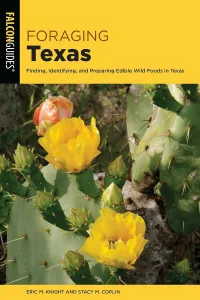
The popular field guide Foraging Texas: Finding, Identifying, and Preparing Edible Wild Foods in Texas highlights 92 edible wild foods and healthful herbs found in our state, including edible blossoms of many native and naturalized plants. A few of the edible wildflowers Environmental Educator Eric M. Knight and Wild-Harvesting Expert Stacy M. Coplin include in their book are yucca, dandelion, honeysuckle, elderflower, and redbud. The book is available through Amazon, ThriftBooks, Walmart, and directly from the publisher, Simon & Schuster.