
By Annette Brooks
Always consult your physician and obtain medical clearance before trying cryotherapy or cold plunges, especially if you have any cardiovascular, neurological, circulatory, or blood-pressure concerns.
Cold is having a moment. The cold-plunge trend has surged as a badge of toughness and a promise of better health. Social-media posts abound, highlighting people submerged in ice-filled tubs or jumping into a freezing-cold lake.
But there’s a more refined, controlled option gaining traction in wellness centers and recovery facilities called cryotherapy. While both rely on cold exposure, cryotherapy offers a more structured, time-limited approach to cold therapy that appeals to people seeking consistency and professional supervision, without some of the challenges that can accompany cold-water immersion.
What Is Cryotherapy?
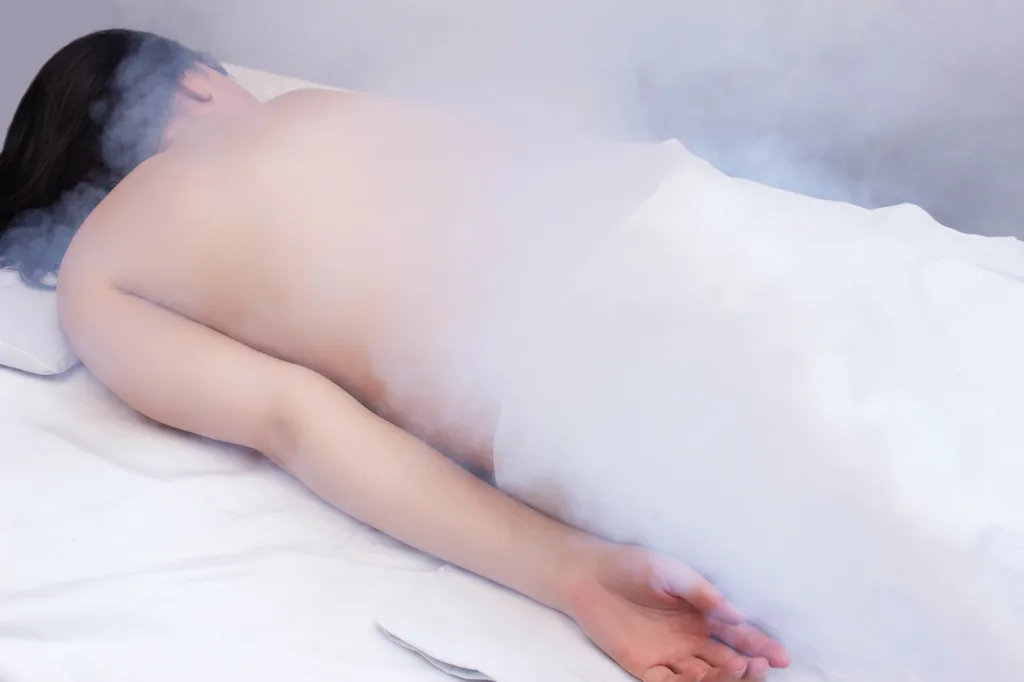
Cryotherapy means “cold therapy.” Offered in modern health and wellness practices, it typically refers to whole-body cryotherapy (WBC) or localized cryotherapy, in which the body, or a specific area, is exposed to extremely cold, dry air for a short period, usually two to four minutes. Unlike cold plunges, which rely on icy water, cryotherapy uses nitrogen-cooled air and does not involve water immersion, reducing some risks associated with sudden submersion while introducing a different form of cold stress.
How Cryotherapy Works, and Why It Works Fast
The science involves the body’s natural response to cold. When exposed briefly to extreme cold, blood vessels constrict, directing blood away from the skin and extremities toward the core to help protect
vital organs. Once the session ends, blood vessels gradually return to normal, increasing circulation to the skin and surrounding tissues.
This response may help temporarily reduce soreness and discomfort, and some studies suggest cryotherapy may influence inflammation markers and recovery after exercise. Research is ongoing, and results can vary depending on the individual and the type of cryotherapy used.
At the same time, cryotherapy stimulates the nervous system, triggering the release of chemicals such as endorphins and norepinephrine. The result? Many people report an improved mood, reduced pain, and an overall sense of well-being following sessions.
Cold Plunge Comparison
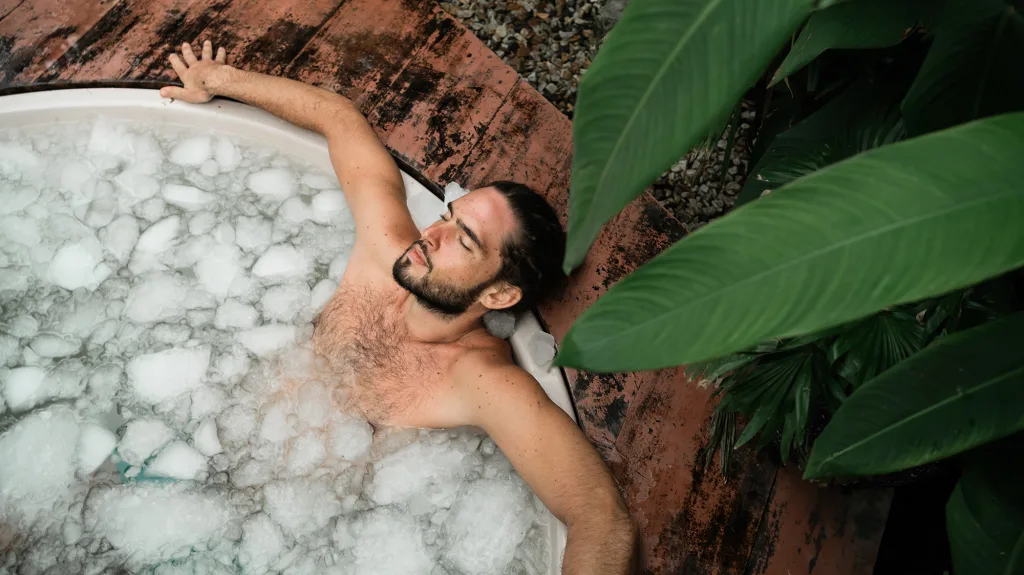
Cold plunges can certainly deliver benefits, but they come with trade-offs. Water transfers heat away from the body far more efficiently than air, which can make cold-water immersion feel much more intense. Longer exposure may increase the risk of hypothermia, blood-pressure changes, and cardiac stress, especially for older adults or those with cardiovascular or other health concerns. Temperature control may also vary from session to session.
Cryotherapy, by contrast, is time-limited, temperature-controlled, and typically supervised. Sessions are intentionally brief, which may help limit excessive cooling while still providing a strong physiological stimulus. Because exposure is dry and short, many users find recovery from cryotherapy more manageable than longer cold-water sessions, though tolerance varies.
Another key advantage is specificity. Localized cryotherapy can focus on a knee, shoulder, or lower back, which may be useful for targeted areas of discomfort or recovery. This level of precision isn’t possible with a tub of ice water or a cold lake.
Bottom Line
Cryotherapy and cold plunges both use cold exposure to create a physiological response, but they offer different experiences. For those who prefer a brief, controlled, professionally supervised approach, cryotherapy may be an appealing alternative to traditional cold-water immersion.
As the cold-therapy trend matures, precision is becoming an increasingly important part of the conversation.
Breaking Down Cryotherapy
- Cryochambers vary from full-body walk-in chambers to open-top machines. The latter resemble a large, vertical cylinder, where the user stands inside with their head exposed to the outside air.
- Cryotherapy generally cools the skin more than the body’s core, while cold-water immersion can lower core temperature more quickly.
- Typical professional sessions last two to three minutes, minimizing prolonged cold exposure risk.
- Whole-body cryotherapy uses extremely cold air ranging from −200°F to −300°F. Ice and water aren’t used in this process.
- Most facilities require dry skin and minimal clothing to reduce frostbite risk.
- Sessions are usually supervised, with emergency stop controls inside the chamber.
- Cryotherapy is commonly used for temporary relief of muscle soreness, joint discomfort, and post-exercise recovery.
- Many users report temporary pain relief and reduced discomfort, though scientific
evidence is still developing. - Consistency and moderation matter. More isn’t necessarily better when it comes to extreme cold exposure.