
Q&A
Lasik Surgeon
Is everyone a candidate for LASIK?
Most people aged 18-45 are candidates for laser vision correction, but parameters such as corneal curvature, thickness, prescription, and age play a part in determining who is an ideal candidate. When it comes to doing your eye surgery, I do not take that privilege lightly. I make recommendations for surgery as if you were my family member.
Does technology matter when it comes to LASIK?
Absolutely. There was a marketing push about 7-10 years ago which said “Don’t talk about technology,” but that was prior to significant advances in diagnostic and treatment technology. Today, I would say that mantra is quite outdated and the practices utilizing the newest technology are seeing significantly better results than practices that still are using 30-year-old lasers.
Does LASIK hurt and how long is the recovery?
After LASIK, patients will experience a few hours of discomfort. We ask patients to keep their eyes closed for a few hours until the discomfort goes away. I always tell my LASIK patients their vision is going to be very functional the day of the surgery. If they wish to go home and use their eyes that is fine. Patients just need to keep their eyes well lubricated with artificial tears so the healing is not disrupted. When patients wake the next morning, their vision will be much improved. Within a few days, all the visual phenomenon associated with LASIK surgery will be diminished or gone. With the state-of-the-art technology I use at Freedom Vision, almost all our patients come back day one seeing 20/15. The new technology I use is a game changer, and we see those results daily.
How long does LASIK last?
The actual effect of LASIK is permanent. But the eye continues to change as time goes on. That is why we consider age ranges for candidacy for LASIK. For patients who have LASIK surgery in their 20s, the treatment will last until they need reading glasses starting in their mid to late 40s. Then, changes to the lens inside the eye cause vision changes and patients may need contacts or glasses full time again. These lens changes can be associated with difficulty focusing from distance to near, some mild nighttime issues, or just a constant frustration with their vision. We call this Dysfunctional Lens Syndrome (DLS).
What can be done for someone with DLS?
When patients are frustrated with their eyes to the point of wanting surgery to fix DLS, we can do a Refractive Lens Exchange (RLE) or Clear Lens Exchange. This is the same procedure as cataract surgery, but the surgery is performed prior to significant visual disability, so insurance does not cover RLE surgery. Despite the costs, RLE is becoming a more commonly requested surgery as more and more people struggle with the symptoms associated with DLS.
About The Expert
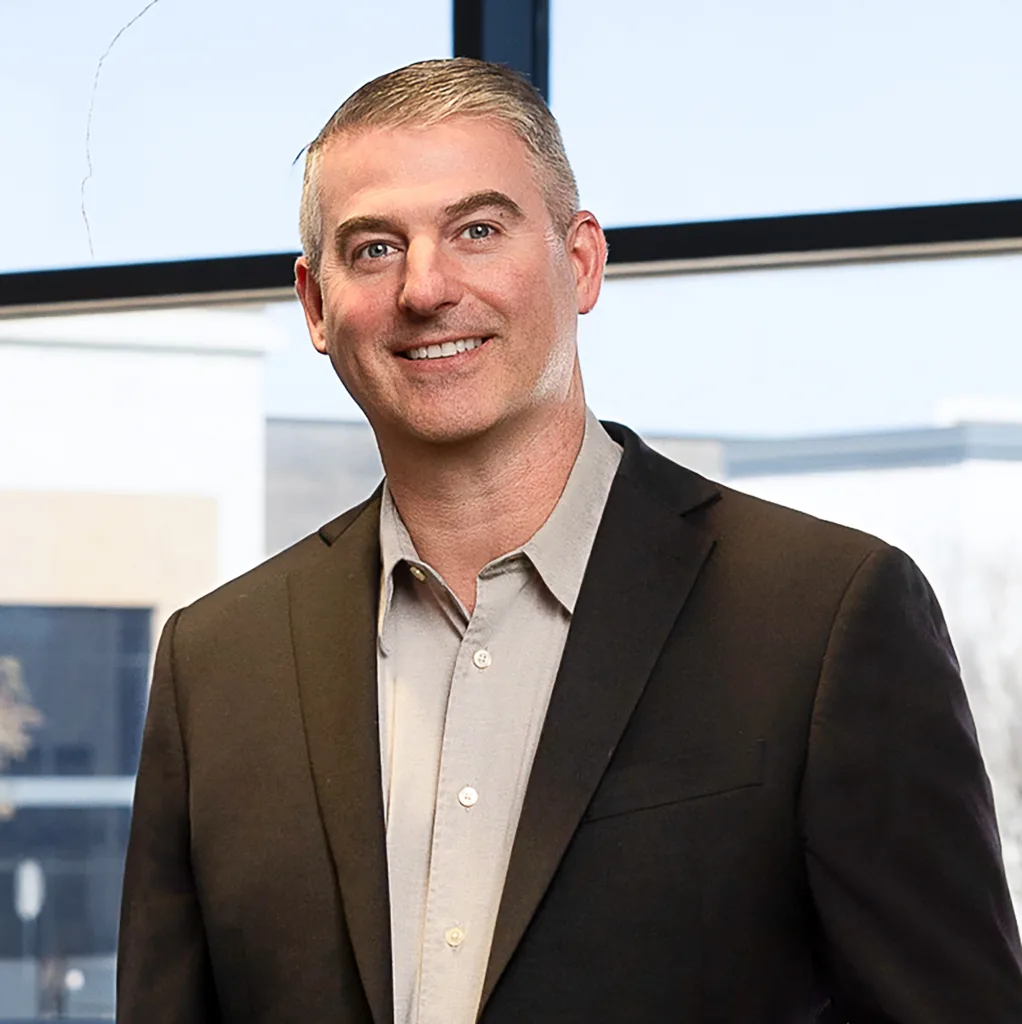
Robert Lyons, MD
Freedom Vision Consultants
Dr. Lyons attended the Medical College of Ohio and then entered the U.S. Air Force. He completed his ophthalmology training in San Antonio. He has served the larger DFW community for nearly two decades and has performed well over 40,000 vision corrections to include both cataract and LASIK surgery.